EN
EN

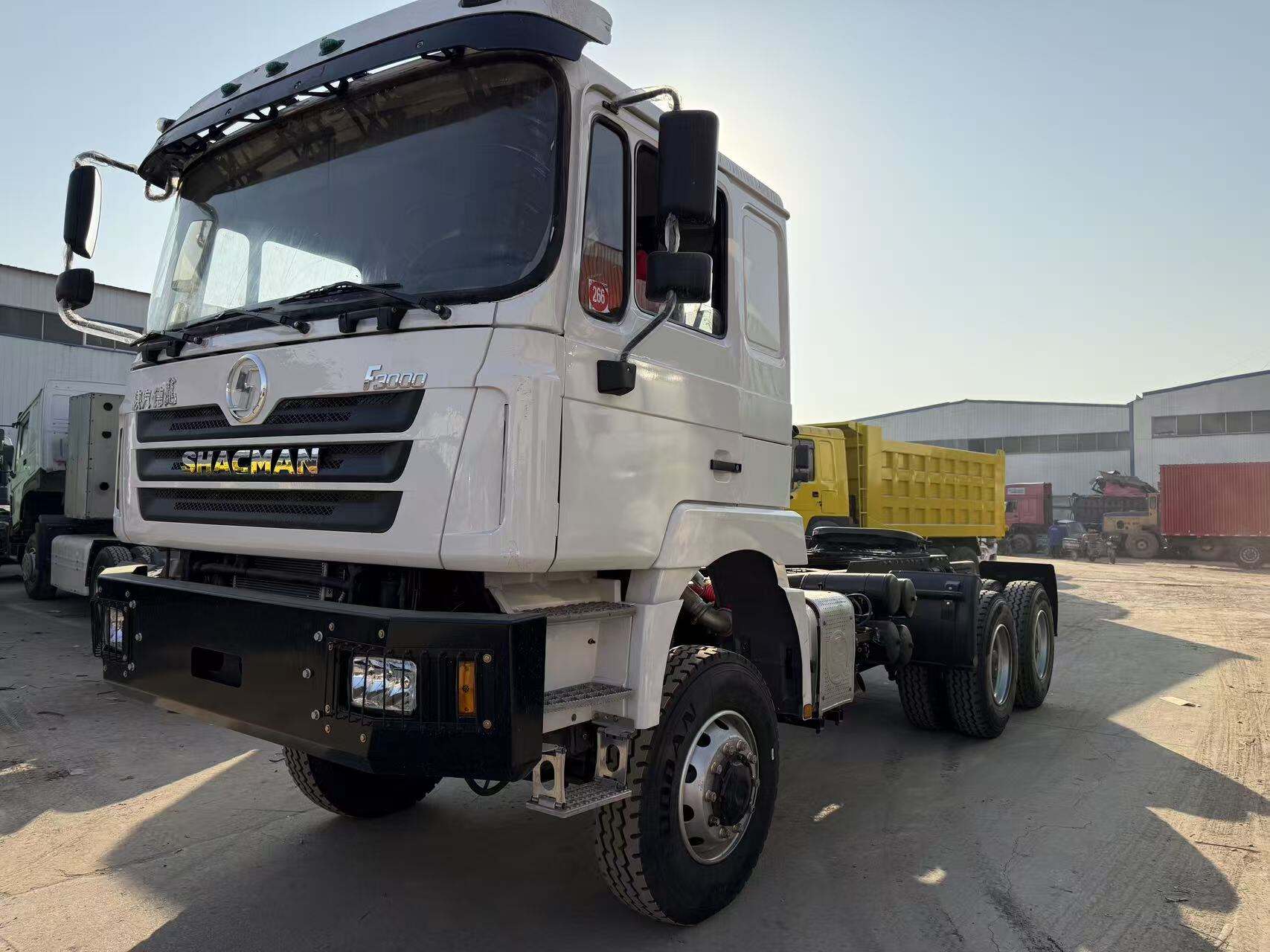
Optimize Driving Habits for Maximum Diesel Truck Fuel Efficiency
Proactive driver behavior adjustments directly combat excessive fuel consumption in diesel trucks. Transportation industry analyses consistently correlate driving habits with 15–30% of total operational fuel expenditure—making behavioral optimization the most immediate and cost-effective efficiency lever available to fleets.
Reduce Speed and Maintain Optimal RPM for Efficient Combustion
Keeping vehicle speeds in the 45 to 55 mph range cuts down on air resistance and keeps engines running where they perform best. Once speeds go past 60 mph though, wind resistance goes way up fast. For every extra mile per hour above 55, fuel economy drops around 0.14 miles per gallon according to testing data. Another thing drivers should watch is gear shifts. Changing gears before reaching 1,500 RPM helps avoid engine strain and leads to better burning of fuel inside the cylinders. Real world tests with company fleets have shown that following these driving habits can save anywhere from 8 to 12 percent on fuel costs compared to when drivers accelerate hard and brake suddenly all the time.
Minimize Idling with APUs, Start/Stop Systems, and Driver Training
Leaving trucks idling when they don't need to burn through around half a gallon every single hour plus pump out tons of extra carbon dioxide. That's where auxiliary power units come in handy for truckers who need to keep their cabs comfortable without keeping the main engine running all day long. These APUs can slash fuel consumption during idle periods by roughly three quarters in many cases. Modern start stop technology takes care of shutting engines off automatically whenever vehicles are stopped for any length of time. Many companies also invest in training programs that teach drivers proper shutdown procedures. Real world data shows fleets implementing these various approaches typically cut down on unnecessary idling across their entire operations somewhere between forty to sixty percent based on what telematics systems actually track and record daily.
Apply Anticipatory Braking, Smooth Throttle Control, and Proper Gear Selection
When drivers anticipate what's coming up ahead on the road, they can brake smoothly rather than slamming on the brakes all at once, which helps keep the car moving forward without wasting energy. Keeping the gas pedal steady instead of flooring it when starting from a stop makes a big difference too. Most people don't think about this much, but choosing gears wisely matters a lot for getting better gas mileage. For example, shifting gears around 1,100 to 1,300 RPM when carrying weight actually works best for how engines burn fuel efficiently. Fleet managers who tested these methods saw their vehicles get about 5 to 7 percent better fuel economy after running them through controlled tests lasting several months. Small changes in driving habits really do add up over time.
Improve Aerodynamics to Reduce Drag on Diesel Trucks
Trailer Fairings, Side Skirts, and Boat Tails: Real-World Fuel Savings
Cutting down on aerodynamic drag remains among the best methods for reducing diesel usage in commercial transport. According to various industry reports, trucks fitted with those special side panels called trailer skirts plus those boat tail attachments can save around 7% on fuel costs while cruising at normal highway speeds. The fairings work by smoothing out how air flows past the wheels and underneath the vehicle body, which stops those annoying little pockets of turbulence from forming and creating extra resistance. When it comes to actual savings in the field, companies have found that installing these kinds of modifications makes a real difference. Pressure drag gets minimized because there's less turbulence generated from compressed air hitting the front of trailers head on. Trucking companies across the country are seeing money saved each year, somewhere between $1,200 to $2,500 per truck after implementing all these improvements together. Plus, there's another benefit worth mentioning too: reduced drag means engines don't have to work as hard overall, so parts tend to last longer before needing replacement.
Trailer Gap Management and Roof Height Optimization—Insights from DOE and NACFE
When the space between a tractor and trailer gets optimized, it stops those fast moving air swirls that actually create around 25% of all resistance. Getting this gap down under 36 inches with special seals makes a real difference. Field tests from the Department of Energy showed that just managing this gap can cut fuel consumption somewhere between 4% and 6%. Matching up the roof heights where the cab meets the trailer helps airflow move better too, which reduces what's called skin friction drag. According to numbers from NACFE, fixing each inch of misalignment saves about 0.2% on yearly fuel costs. Add in some low profile tires and suddenly these small changes start adding up to significant savings for truck operators looking to improve their bottom line.
| Solution | Estimated Drag Reduction | Fuel Savings |
|---|---|---|
| Gap reducers | Up to 9% | 5–7% |
| Roof fairings | 4–7% | 3–5% |
| Side skirts | 6–11% | 7–9% |
Ensure Mechanical Precision Through Diesel Truck Preventive Maintenance
Fuel System Cleaning, Injector Calibration, and Engine Tuning for Clean Burn
Keeping the fuel system clean stops carbon from building up in places like the intake valves and combustion chambers, which messes with how efficiently the engine burns fuel. Most mechanics recommend cleaning those injectors around the 50k mile mark to keep them spraying fuel just right. When technicians calibrate these injectors properly, they get better spray patterns that help burn all the fuel instead of letting some go to waste. Tuning the engine itself makes a big difference too. Adjusting when spark plugs fire and balancing air with fuel cuts down on energy loss during operation. All these steps together stop incomplete burning, something that can actually make cars drink up to 15% more gas than needed. And beyond saving money at the pump, regular maintenance means fewer harmful particles coming out the tailpipe plus longer life for expensive parts like catalytic converters. It's basically free performance gains for anyone who wants their vehicle running smoothly year after year.
Tire Pressure, Low-Rolling-Resistance Tires, and Axle Alignment Best Practices
When tires aren't properly inflated, they create significantly more rolling resistance – around 20% higher actually – which means diesel trucks have to work harder for every mile driven. Keeping those tires at the pressure levels specified by the manufacturer is pretty important stuff, something worth checking on at least once a week if not more often. There's also low rolling resistance tires available now that help cut down on energy losses thanks to their special rubber compounds and clever tread patterns. These can boost fuel efficiency anywhere from 3% to maybe even 5%. Then there's the whole axle alignment thing too. If the wheels aren't aligned correctly, it creates all sorts of problems including uneven tire wear and increased drag. We're talking about potentially wasting up to 10% more fuel when things get out of whack. Getting alignments checked every three months or so keeps everything running smoothly, making sure the wheels stay pointed where they should be and reducing that frustrating extra friction that just burns through precious diesel without any benefit whatsoever.
Deploy Telematics and Smart Technology to Monitor and Optimize Diesel Truck Fuel Use
Diesel truck operators are finding that telematics systems make a big difference in managing fuel costs through real time tracking of how much fuel gets burned and what drivers do behind the wheel. The tech watches things like how hard the engine works, how long trucks sit idle, when they speed up too fast, and whether routes actually make sense all day long using GPS signals and built in diagnostic tools. Looking at all these numbers helps fleet managers spot problems where fuel just disappears – think about those drivers who leave engines running unnecessarily or ride roughshod over roads. Companies then can step in with specific fixes, maybe sending coaches to work with drivers or figuring out better ways to plan trips. And there's another benefit: early warning signs from engine checks catch small mechanical problems before they become bigger headaches that waste fuel. Trucking companies that have adopted these systems often see around 15 to 25 percent less fuel going down the drain, plus cleaner air and longer lasting vehicles. These savings add up fast, making smart data analysis not just good for the environment but also great for bottom line profits.
FAQ
How can drivers adjust their habits to improve fuel efficiency?
Drivers can improve fuel efficiency by maintaining speeds within the optimal range of 45-55 mph, changing gears before reaching 1,500 RPM, and avoiding aggressive acceleration and braking.
What role do aerodynamics play in fuel consumption for diesel trucks?
Aerodynamics significantly impact fuel consumption. Improvements like trailer skirts, side fairings, and boat tails can reduce drag and improve fuel efficiency by altering how air flows around the truck.
How frequently should tire pressure be checked to ensure maximum fuel efficiency?
Tire pressure should be checked at least once a week to maintain optimal levels and reduce rolling resistance, which can also boost fuel efficiency by 3-5%.
What are the benefits of using telematics systems in diesel trucks?
Telematics systems provide real-time data on truck operations, helping fleet managers identify inefficiencies, reduce idle time, and minimize unnecessary fuel consumption, often resulting in 15-25% fuel savings.