EN
EN

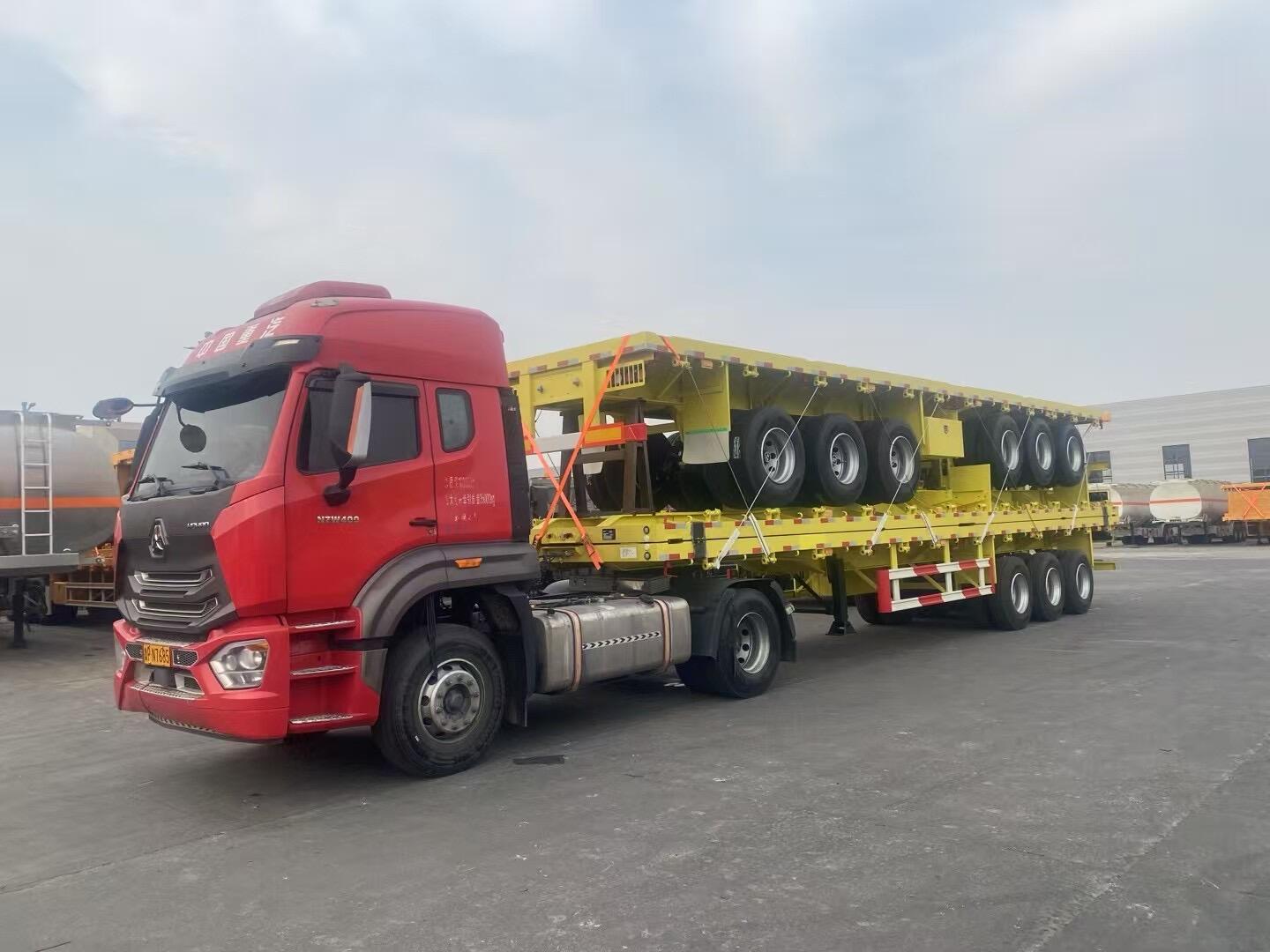
Standard, Step Deck, Drop Deck, and RGN Flatbed Trailers: Use Cases for Common Machinery Profiles
Most standard flatbed trailers measure around 48 to 53 feet long, about 8.5 feet across, and stand roughly 60 inches tall. These can handle cargo as heavy as 48,000 pounds but only if it stays below 8.5 feet in height. They work great for things like steel coils, stacks of lumber, or those big prefab parts contractors love to haul around. Step deck models have this middle section that sits lower, usually between 30 and 40 inches off the ground. This makes them perfect for moving taller stuff like farm equipment or grain dryers that might reach up to 11 feet. Contractors really appreciate this when dealing with equipment that's skinny but needs extra headroom. Drop deck trailers basically do the same thing as step decks regarding space above the road. Many folks treat them as interchangeable options when transporting industrial machinery where getting the height right matters most. Then there are RGN trailers with their removable goosenecks. These bad boys let operators drive equipment directly onto the trailer bed without needing cranes. Think construction vehicles, massive generators, or entire modular buildings. This becomes super important at job sites where traditional lifting gear just isn't available or practical to bring in.
Detachable Lowboy and Double Drop Flatbed Trailers for Oversized or Height-Restricted Loads
Lowboy trailers with detachable decks offer deck heights around 18 to 24 inches, which makes them ideal for transporting equipment that stands over 12 feet high like parts for wind turbines, tower segments, and big construction cranes. The double drop version takes this a step further by adding another lowered section beneath the main platform. This helps keep the overall weight distribution lower to ground level while giving extra headroom when moving through tight spaces in cities or passing underneath bridges with limited clearance. Most models come equipped with multiple axles since they need to carry loads well beyond 80 thousand pounds – something essential when hauling massive mining equipment, heavy electrical transformers, or modular infrastructure pieces. Although these trailers simplify permitting processes compared to regular flatbeds, getting them to work properly requires good access ramps, proper grading at loading sites, plus either hydraulics or mechanical systems for loading operations. Before making any decisions about which trailer fits best for a particular job, it's absolutely necessary to check all those clearance requirements along the actual transport route first.
Verify Load Compatibility: Weight Capacity, Axle Configuration, and Legal Compliance
Selecting a flatbed trailer requires rigorous verification across three interdependent dimensions: weight limits, axle configuration, and regulatory compliance. Overlooking any one factor risks structural failure, cargo shift, accidents, and penalties exceeding $10,000 per violation.
FMCSA Weight Limits, Gross Vehicle Weight Rating (GVWR), and How They Govern Flatbed Trailer Selection
The Federal Motor Carrier Safety Administration (FMCSA) sets enforceable federal weight thresholds:
- Single axle: 20,000 lbs
- Tandem axle: 34,000 lbs
- Gross vehicle weight (GVW): 80,000 lbs
The GVWR of a trailer basically tells us what it can safely carry when loaded up with everything from cargo to fuel tanks and all that rigging stuff. This number needs to match both what FMCSA allows and what's stamped on the trailer itself. Take a look at this scenario: someone tries to haul a 30,000 lb excavator on a 48 foot flatbed rated for 48,000 lbs total weight. Suddenly there's barely 2,000 lbs left for fuel, chains, winch gear, and even the people working on site. That's why getting those weights right before loading is absolutely critical. Going over those axle weight limits causes parts to wear out faster and makes rollovers way more likely according to FMCSA studies showing around a 37% increase in risk. Before anything gets loaded onto the trailer, check those actual weight numbers against what's written on the VIN plate, not whatever specs came in the marketing brochure from the manufacturer.
Oversize/Overweight Permits and Their Direct Impact on Flatbed Trailer Feasibility and Routing
Loads exceeding standard dimensions or weight require state-issued oversize/overweight permits, which directly shape trailer feasibility and routing strategy:
- Width >8.6 ft: Triggers escort vehicle requirements in most states
- Height >13.6 ft: Mandates pre-approved route surveys for bridge and overhead structure clearance
- Weight >80,000 lbs: Requires multi-axle configurations (e.g., RGN or detachable lowboy) and often specialized tractors
The rules around permits differ quite a bit depending on where you are. Take Texas for instance, they let trucks carry over 100,000 pounds when there's a certified pilot car along with special route waivers. But head west to California and things get much stricter. Oversized loads have to stay on the road only during daylight hours, and good luck trying to get onto any major freeway when traffic is at its worst. Companies that ignore these regulations usually end up paying around $8,900 in fines, which isn't just money lost but also means their shipments sit idle for several days while everything gets sorted out. Detachable gooseneck trailers are popular because they spread out the weight across axles to fit within permit limits, though this solution comes at a price. These trailers typically raise operating costs by somewhere between 15% and 30% thanks to extra fees for escorts, limited access to certain highways, and longer travel times overall. Before picking a trailer type, make sure it meets all permit requirements first. And don't forget about paperwork either; getting everything processed through either trailer makers or official permitting services takes about a month to sort out, so planning ahead is absolutely essential.
Ensure Securement Compliance: FMCSA Rules, Tie-Down Strategy, and Flatbed Trailer Design Features
Calculating Minimum Tie-Downs Using WLL and Securing Heavy Machinery on a Flatbed Trailer
FMCSA securement standards require precise, load-specific calculations – not rule-of-thumb approximations. The Working Load Limit (WLL) of each tie-down device is the cornerstone: it represents the maximum safe force the strap, chain, or binder can withstand. FMCSA mandates:
- Minimum 4 tie-downs for loads over 10,000 lbs
- One additional tie-down for every 10 feet of cargo length beyond the first 10 feet
- Total aggregate WLL of all tie-downs must equal at least 50% of the cargo weight
When it comes to trailer design, certain features really make a difference for reliability during transport. Think about things like those recessed D-rings that can handle over 5,000 pounds, sturdy rub rails that take the brunt of impacts, and built-in winch points for easier loading. The key thing is making sure anchor points attach directly to the main structural parts of the machine, like lift points or chassis rails. Never attach them to hydraulic lines, hoses, or panels that aren't meant to bear weight. Safety experts have found that using edge protectors wherever straps touch sharp corners cuts down on strap wear failures by around 70%. Putting all these good practices together with regular tension checks before trips and spot checks while on the road helps maintain compliance standards and keeps cargo secure throughout transportation.
Assess Real-World Operational Constraints for Flatbed Trailer Deployment
When looking past all the specs sheet stuff, actual field work runs into plenty of real world problems that affect timelines, budgets, and most importantly safety. Planning routes isn't just about getting from point A to B. We have to worry about those old bridges with barely enough clearance, country roads so narrow they'll make even small trucks sweat, and city streets where turning corners feels like solving a Rubiks cube. Sometimes this means taking longer detours, hiring extra pilot cars, or swapping out regular trailers for those special lowboy setups. Getting equipment to sites matters too. Many loading areas are tiny spaces where big rigs struggle to turn around. Then there's the ground itself - dirt lots that aren't properly graded or muddy spots that suck wheels right in. For these situations, crews need stabilizers, wooden blocks called cribbing, or fancy landing gear systems to keep trailers from tipping over when loading cargo.
When it comes to weather, there's no getting around extra precautions. Waterproof tarps, moisture barriers, and those special humidity controlled enclosures just become must haves for anything involving sensitive electronics or precision hydraulics. This kind of protection typically eats up anywhere from a quarter to almost half of the normal preparation time, especially when dealing with really vulnerable cargo. Then there's the whole equipment matching game. Big machines like excavators or pavers that tip the scales past 80 thousand pounds need specialized multi axle trailers paired with high torque tractor units. And let's face it, all that extra weight means burning through about 30 percent more fuel compared to regular hauling operations. Regulations throw another wrench into things too. Permit applications often get stuck in bureaucratic limbo for three days straight, sometimes longer. Seasonal road rules during spring thaw periods impose strict weight limits that shrink down available shipping windows considerably. All told, these various challenges push operating costs up somewhere between 15 and 20 cents per mile beyond what theory suggests. That's why smart operators build contingencies into their budgets, invest in real time route planning software, and start talking to local permitting offices way ahead of schedule if they want to actually meet deadlines while staying within legal boundaries.
FAQs
What are the main types of flatbed trailers?
The main types of flatbed trailers include standard, step deck, drop deck, RGN, lowboy, and double drop trailers. Each type is designed for specific transportation requirements and machinery dimensions.
Why are oversize/overweight permits necessary?
Oversize/overweight permits are necessary to ensure safe transportation of loads exceeding standard dimensions or weights. These permits help comply with state regulations, prevent fines, ensure route feasibility, and mitigate risks.
How can I ensure securement compliance when transporting heavy machinery?
Securement compliance involves calculating the Working Load Limit (WLL) of tie-down devices, ensuring a minimum number of tie-downs, using edge protectors, and conducting regular tension checks and spot inspections during transit.
What operational constraints should be considered for flatbed trailer deployment?
Operational constraints include route planning challenges, site accessibility, weather-related precautions, equipment matching, permit processing delays, and seasonal road restrictions. Proper preparation is essential to address these issues.