EN
EN

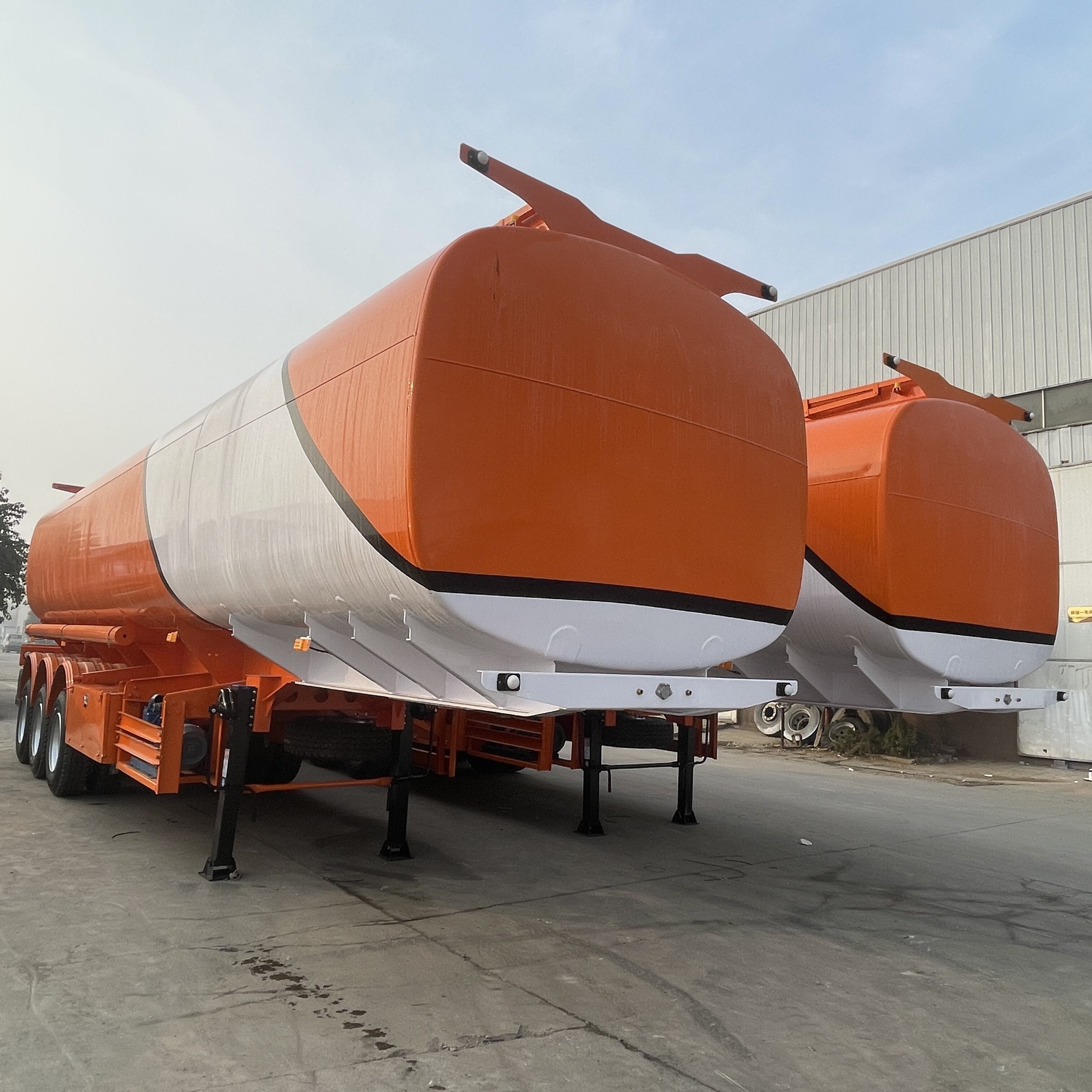
Understanding Tanker Trailer Types and Core Applications
Choosing the right tanker trailer matters a lot for anyone running a fleet that moves liquids around. Different trailers get built for different jobs because they need to handle all sorts of stuff safely. Take fuel tankers for instance they haul things like gas and diesel oil. Most have separate sections so different fuel types don't mix up, plus those special baffles inside that stop the fuel from sloshing around too much when driving. Then there are chemical tankers meant for dangerous stuff like acid or solvent chemicals. These ones need special coatings on the inside to resist corrosion and systems to capture any vapors that might escape. Food grade tankers are another category altogether since they deal with products people actually drink or eat. They come with shiny stainless steel tanks inside, fittings that make cleaning easier, and controls to keep temperatures just right for perishables. Water tankers show up everywhere from city services to farms, made with materials safe enough for drinking water. Cement trailers work differently though they rely on compressed air to push out the dry powder material. Getting this straight helps companies stay compliant with regulations, keeps workers safe, and makes sure nothing gets damaged during transport no matter what industry they're operating in.
| Tanker Type | Key Applications | Critical Design Features |
|---|---|---|
| Fuel Tanker | Gasoline, diesel, jet fuel | Multi-compartment, anti-surge baffles |
| Chemical Tanker | Acids, solvents, hazardous liquids | Corrosion-resistant lining, vapor control |
| Food-Grade Tanker | Milk, juices, edible oils | Sanitary surfaces, temperature control |
Critical Compliance and Safety Requirements for Tanker Trailers
DOT and FMCSA Regulations for Liquid and Hazardous Material Transport
Anyone who transports dangerous liquids needs to follow strict rules set by both the DOT and FMCSA. The drivers themselves need special licenses called CDLs with HazMat endorsements. This means they've gone through proper training for containing spills, responding to emergencies, and knowing how to properly label their cargo according to 49 CFR Part 172 regulations. Tank trucks get checked every year for pressure integrity and overall condition as required by 49 CFR Part 180. Plus there are those electronic logging devices now that keep track of driving hours to prevent fatigue. All vehicles must display clear placards showing exactly what kind of hazardous material is being transported. Failure to meet these standards can lead to massive penalties upwards of $80k for each violation according to FMCSA data from 2023. Companies that stick to all these safety protocols see accident rates drop by around 37% when compared with companies that don't follow the rules.
Crashworthiness, Baffling, and Anti-Surge Design Standards
When liquids slosh around inside a tank truck during sudden stops, turns, or acceleration, that's what we call liquid surge. And according to industry reports, this kind of uncontrolled movement is responsible for roughly seven out of ten tanker instability problems. Keeping these tanks structurally sound depends on several key components working together. First there are those internal barriers known as baffles which help control how the liquid moves around inside. Then we have special anti surge mechanisms designed to counteract the force created when the vehicle changes direction. Lastly, the frame itself needs reinforcement so it can withstand impacts from all that shifting weight. Most fuel transport vehicles use transverse baffles because they work well with thinner fluids, but food grade storage tanks typically feature different designs like fluted or sanitary baffles that make cleaning easier and prevent residue accumulation. Safety equipment also plays a major role here. Pressure relief valves must meet strict ASME standards to avoid catastrophic failures when temperatures change, and emergency shut off systems kick in almost instantly if there's a leak detected. The latest mandatory roll stability technology has been shown to cut down on rollover accidents by about two thirds according to NHTSA research from last year, making a real difference in how these vehicles handle under various road conditions.
Key Safety Feature Comparison
| Feature | Function | Regulatory Standard |
|---|---|---|
| Baffle Systems | Minimize cargo shift | DOT 49 CFR §393.104 |
| Pressure Relief Valves | Prevent over-pressurization | ASME BPVC Section VIII |
| Roll Stability Control | Counteract centrifugal force | FMCSA §393.201 |
| Emergency Shutoffs | Contain leaks during failure | OSHA 1910.120(j) |
Material, Capacity, and Configuration Options for Optimal Performance
Aluminum vs. Stainless Steel Construction Trade-Offs
When picking materials for trailers, companies have to consider several factors including how much they weigh, how long they'll last, and whether they can handle different chemicals. Aluminum is way lighter than stainless steel, cutting down trailer weight by around 30 to 40 percent. This means trucks can carry more cargo and burn less fuel too, sometimes saving as much as 12% on gas. Stainless steel though stands out when it comes to resisting harsh substances like chlorides, strong acids, and caustic solutions. The corrosion protection from stainless is actually about three times better than what aluminum offers. Sure, aluminum might cost less initially, but stainless steel often lasts twice as long in tough conditions. That's why most transport companies dealing with food products or super corrosive materials stick with stainless steel even though it adds extra weight. On the flip side, many fleet operators transporting fuels or liquids that don't react chemically prefer aluminum because it makes their operations cheaper to run in the long run.
Single-Compartment vs. Multi-Compartment Tanker Trailer Designs
How a trailer is configured really affects its flexibility, what kind of cleaning it needs, and ultimately how much it costs over time. Single tank trailers are easier to maintain, generally cheaper to start with maybe around 15 to 20 percent less expensive, and there's no worry about mixing products together which makes them great when running specific product lines all day long. On the flip side, multi compartment models let companies move three to five different fluids at once, cutting down on those frustrating empty trips back home and getting better use out of each vehicle. The catch? These need special baffles inside to handle the sloshing around during turns and stops, plus thorough cleaning after every load change. Cleaning takes extra time too, sometimes adding about a quarter of the workday to maintenance schedules. Trucking companies that serve many different clients tend to find value in having multiple compartments available. But for businesses moving huge volumes of just one product type, going with a simple single tank setup usually pays off faster in the long run.
Total Cost of Ownership: Maintenance, Fuel Efficiency, and Resale Value
Calculating Total Cost of Ownership (TCO) is essential for fleet operators investing in tanker trailers. TCO extends beyond the initial purchase price to include three critical components:
- Maintenance Costs: Account for 25–35% of lifetime expenses. Predictive maintenance schedules—guided by telematics and OEM service intervals—can reduce long-term costs by 20–30%.
- Fuel Efficiency: Represents 40–50% of operational expenses. Aerodynamic fairings, lightweight aluminum construction, and optimized driving behavior (monitored via telematics) cut fuel consumption by 10–15%.
- Resale Value: Units with full service records and corrosion-resistant materials retain 15–20% higher resale value after five years.
| Cost Factor | Impact on TCO | Optimization Strategy |
|---|---|---|
| Maintenance | 25-35% of lifetime costs | Implement predictive maintenance |
| Fuel Consumption | 40-50% of operational expenses | Use aerodynamic trailers |
| Depreciation | Determines end-of-life recovery | Choose stainless steel construction |
Proactive TCO analysis enables data-driven decisions. For example, a $200,000 stainless steel trailer may save $50,000 in fuel and maintenance versus aluminum over a decade—fully offsetting its higher upfront cost. Fleet managers should prioritize lifecycle cost modeling over purchase price alone to maximize return on investment.
Frequently Asked Questions
What is the difference between single-compartment and multi-compartment tanker trailers?
Single-compartment tankers are easier to maintain and cheaper to purchase, ideal for transporting a single type of product. Multi-compartment tankers, however, can transport several fluids at once, offering more flexibility but requiring more maintenance and cleaning.
Why choose aluminum over stainless steel for tanker trailers?
Aluminum is significantly lighter, leading to increased fuel efficiency and cargo capacity, making it an economical choice for transporting non-corrosive liquids. Stainless steel is more resistant to corrosive substances, offering longer-lasting durability.
What safety measures are in place for tanker trailer operations?
Tanker trailers incorporate several safety features, including baffle systems to minimize cargo shift, pressure relief valves to prevent over-pressurization, roll stability control for vehicle stability, and emergency shutoffs to contain leaks, all under strict regulatory standards.