EN
EN

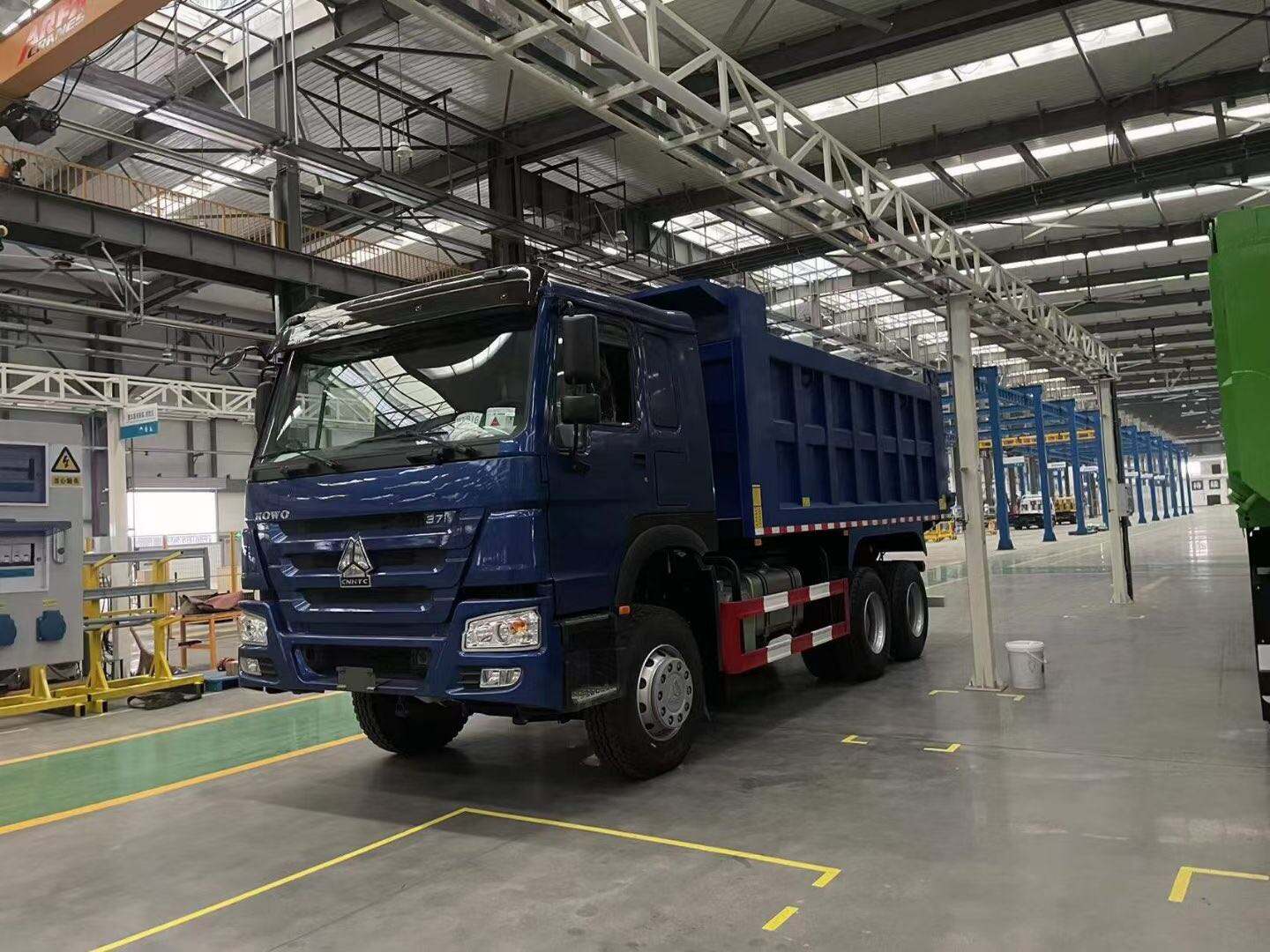
Why Torque–Not Just Horsepower–Defines Diesel Truck Performance
The Low-RPM Torque Advantage in Heavy-Duty Diesel Trucks
Heavy duty diesel trucks rule the road for good reason their engines pack serious punch right from those lower RPM ranges around 1,200 to 1,600 typically. What makes them so effective? That legendary low end grunt gives drivers instant pulling power needed to get huge loads moving from dead stop situations. Makes all the difference when hauling those 20k pound plus trailers or climbing those mountain passes nobody wants to tackle. Gasoline engines work differently they need to spin way faster before hitting their power sweet spot. Diesels focus on torque first which means less strain on the whole drivetrain system, better heat management overall, and parts tend to last longer too. Throw in turbochargers and those advanced fuel injectors working together and modern semi trucks can churn out somewhere around 2,050 foot pounds of torque while burning roughly 15 to maybe even 20 percent less fuel compared to similar horsepower gas powered rigs during long haul operations.
How SAE J1349 and EPA Testing Validate Torque-Centric Efficiency for Class 4–6 Diesel Trucks
Standardized testing protocols–including SAE J1349 (Society of Automotive Engineers) and EPA certification cycles–confirm that torque–not horsepower–drives real-world efficiency for medium-duty diesel trucks. These tests replicate urban delivery conditions with frequent stops, where responsiveness below 2,000 RPM directly determines performance:
| Metric | High-Torque Configuration (1,050 lb-ft) | High-Horsepower Configuration (500+ HP) |
|---|---|---|
| 0–60 mph (loaded) | 18.2 seconds | 22.7 seconds |
| Grade Climb (6%) | 25–27% faster acceleration | Requires downshifting |
| Fuel Economy | 9.8–10.3 mpg | 8.1–8.5 mpg |
Data reflects Class 6 diesel trucks hauling 16,000 lbs (SAE International 2023)
The SAE J1349 test cycle focuses heavily on how well engines respond at lower RPMs. What we find is that trucks designed to produce good torque around the 300 to 400 horsepower range actually perform better than their high horsepower counterparts when dealing with all those starts and stops typical in city driving. Over the course of about 200 thousand miles, these trucks end up costing roughly 12 to 15 percent less to maintain throughout their lifespan. Why? Because there's simply less stress on the engine components. Pistons don't get worn down as fast, bearings last longer, and those expensive exhaust treatment systems stay in better condition too. Research from SAE International backs this up pretty solidly. For companies running delivery trucks or other work vehicles through busy urban areas day in and day out, going with a torque focused setup makes both mechanical and financial sense.
Matching Diesel Truck Horsepower to Real-World Transport Demands
Urban Delivery, Regional Haul, and Construction Fleets: Optimal HP Ranges (300–350 HP vs. 400+ HP)
When picking out horsepower for trucks, matching it to what's actually needed makes sense instead of going overboard. Most urban delivery trucks work just fine with around 300 to 350 HP. That gives enough punch to get moving quickly from stop signs and traffic lights without burning through extra fuel because of too much power sitting unused. We've seen time and again that putting more horse under the hood than necessary can jack up fuel bills by roughly 9 to 12 percent in city driving conditions. For regional haulers covering varied landscapes, stepping up to 350 HP offers some real advantages when tackling hills and rough roads. But things change completely for construction crews and other heavy duty operations. These trucks are constantly pushing close to their maximum weight capacity of over 26,000 pounds while navigating dirt roads, gravel pits, and uneven terrain. That's why 400 HP or more becomes absolutely necessary for these jobs. The bigger engines come with special transmissions designed to handle torque better and cooling systems strong enough to keep everything running cool even when idling for hours at job sites.
Terrain, Payload, and Duty Cycle: Key Variables That Determine Your Ideal Diesel Truck Powertrain
Beyond fleet type, three operational variables refine optimal powertrain selection:
- Terrain: High-altitude or mountainous regions reduce air density, requiring 15–20% more horsepower to maintain equivalent throttle response and grade speed versus sea-level operation.
- Payload intensity: Each additional 10,000-lb payload increment typically demands 40–50 HP to preserve safe acceleration margins and avoid chronic lugging–a primary cause of premature turbo and EGR system failure.
- Duty cycle: Frequent short-haul cycles favor lower-RPM torque bands (reducing thermal cycling and wear), whereas extended highway runs prioritize horsepower to overcome aerodynamic drag above 55 mph.
Fleet telematics data shows aligning these variables with powertrain specs lowers 5-year maintenance costs by 18%, confirming that “right-sizing” isn’t theoretical–it’s financially material.
Long-Term Operational Impact of Diesel Truck Horsepower Selection
Fuel Economy, Maintenance Costs, and Engine Longevity Across Horsepower Tiers
Choosing the right horsepower has a big impact on what owners actually pay over time when looking at fuel burn, how often parts need replacing, and how long the whole drivetrain lasts. According to recent fleet tracking studies from 2023, trucks with around 300 to 350 horsepower get about 8 to 12 percent better gas mileage than their 400+ horsepower counterparts when carrying similar weights. This happens because engines aren't working as hard all the time, so they waste less energy pumping air through the system. The bigger engines come with higher maintenance bills too, usually costing 15 to 20 percent more each year. Parts like transmissions, turbos, and those diesel filters just wear out faster. And here's where things really matter for long term value: most fleets find that nearly 9 out of 10 medium horsepower trucks hit the 500k mile mark without needing major repairs, while only about two thirds of the high horsepower versions make it that far. All that extra power creates more heat and stress inside the engine compartment, which adds up over years of operation.
Fleet Case Study: 325 HP vs. 450 HP Diesel Trucks Over 200,000 Miles
A five-year comparative study tracked 42 Class 6 diesel trucks (21 units per configuration) from a leading manufacturer, all operating identical routes and payloads:
| Performance Metric | 325 HP Fleet (21 units) | 450 HP Fleet (21 units) | Variance |
|---|---|---|---|
| Average Fuel Economy | 8.2 mpg | 7.3 mpg | -11% |
| Total Maintenance Costs | $18,200 per truck | $22,700 per truck | +25% |
| Engine-Related Downtime | 14 days per truck | 23 days per truck | +64% |
| Powertrain Survival Rate | 95% | 78% | -17% |
Looking at the 325 HP models shows better value for money actually comes from having less power rather than more. These engines run at lower RPMs which means less heat buildup in critical parts like cylinder heads, fuel injectors, and exhaust systems. Mechanics report seeing oil changes last about 30% longer on these units too. The numbers back this up pretty clearly. When spec sheets promise more horsepower than what's needed for daily operations, all that extra power just wears things out faster. Parts break down sooner, maintenance costs climb, and the return on investment starts looking worse over time. Smart operators know their equipment doesn't need to be the biggest or fastest to do the job right.
FAQs
Why is torque considered more important than horsepower for diesel trucks?
Torque provides the pulling power needed for heavy loads from a stop, making it crucial for diesel trucks that typically carry large payloads.
What does the SAE J1349 test cycle measure?
The SAE J1349 test measures engine responsiveness at lower RPMs, focusing on torque efficiency in real-world conditions.
How does terrain affect diesel truck performance needs?
High-altitude or mountainous terrain demands more horsepower to maintain performance due to reduced air density.
What are the benefits of choosing the right horsepower for diesel trucks?
Optimal horsepower selection improves fuel economy, reduces maintenance costs, and enhances engine longevity by preventing overworking.