EN
EN

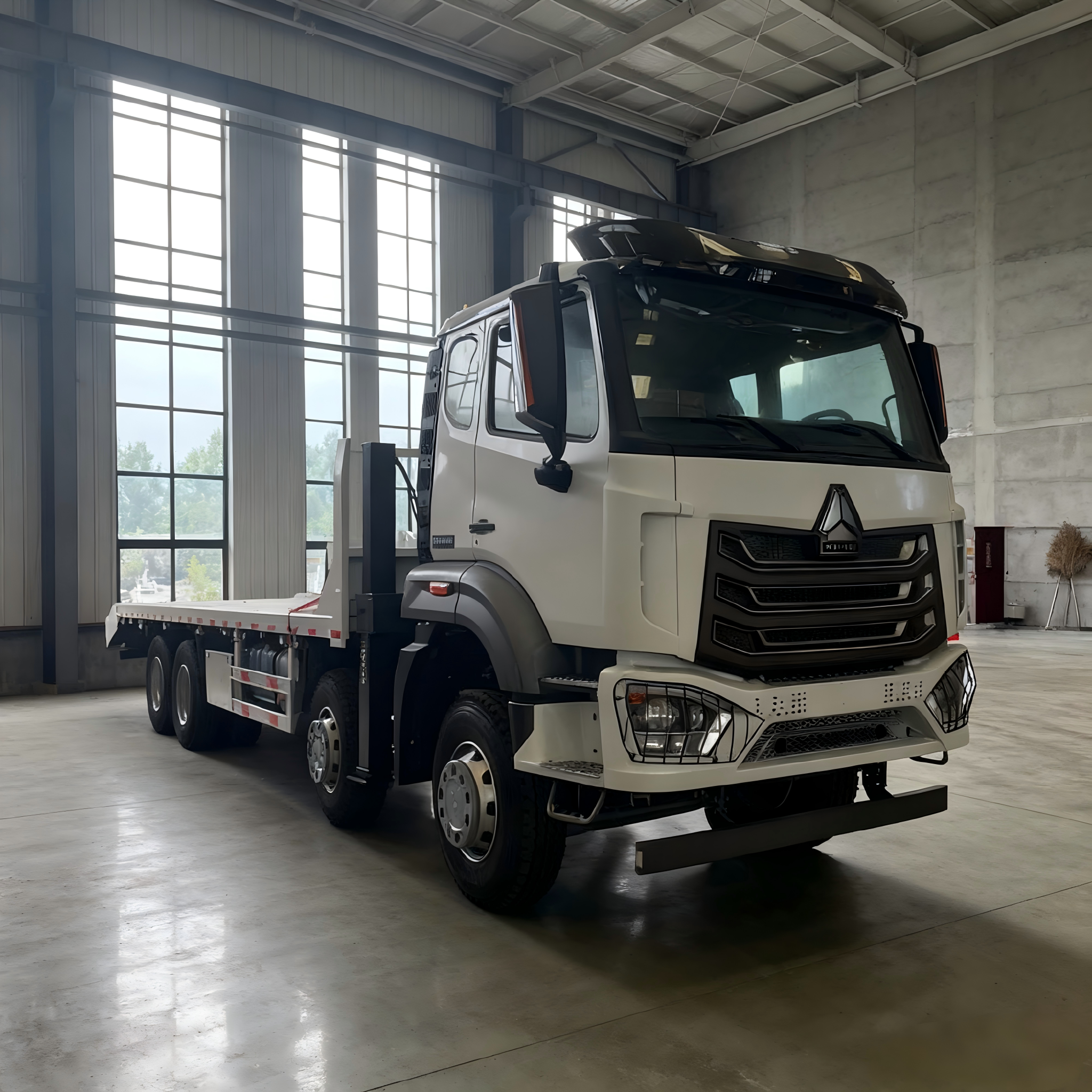
Flatbed Truck Deck Materials Compared: Strength, Weight, and Durability
Steel Decks: Maximum Load Capacity and Structural Integrity for Heavy-Duty Flatbed Truck Applications
When it comes to moving really heavy stuff, steel is still king. It can handle loads over 50,000 pounds without breaking a sweat. The tensile strength is around 100,000 PSI, which means it doesn't bend or warp even when hit with those intense weights from construction gear. Other materials just don't cut it in freezing conditions where they tend to crack and snap. Think about transporting massive construction machines or those huge industrial transformers across country roads - only steel provides enough stiffness to keep everything stable while rolling down the highway. Sure, steel weighs about 15 percent more than aluminum, but that extra heft actually works in our favor. The material stands up better against impacts, something we see all the time when shipping sharp scrap metal pieces or tightly packed steel coils. Good maintenance makes these steel platforms last well past 15 years too. And if we go for galvanized versions instead of regular steel, we're looking at cutting down on rust problems by roughly two thirds according to some research folks published last year.
Aluminum Decks: Lightweight Advantages and Corrosion Resistance for High-Utilization Flatbed Truck Fleets
Switching to aluminum decks cuts down truck weight somewhere around 3,000 to 4,000 pounds compared to traditional steel models. This weight reduction means trucks can carry more cargo while burning less fuel. Fleet operators have noticed improvements in gas mileage of about 5 to 7 percent on those long haul routes, which adds up nicely over time. One big plus is how aluminum naturally resists corrosion thanks to its oxide layer. No need to worry about rust forming near coastlines or during transport of road salt and other corrosive materials. While aluminum isn't as strong as steel (about 70% of the tensile strength), newer alloy blends now handle gross vehicle weights right up to 48,000 lbs. For companies moving flammable goods, the fact that aluminum doesn't spark makes it a safer choice. The material also conducts heat well, so there's less risk of hot spots developing inside the truck bed. This matters a lot when shipping things like medicines that require stable temperatures. Maintenance expenses tend to fall by approximately 30% each year since there's no need for regular painting jobs and the structure just wears out slower overall.
Wood Decks: Economic Flexibility and Shock Absorption—Best Use Cases for Light-to-Medium Flatbed Truck Hauling
Wooden decks made from oak or apitong generally come out cheaper than metal options at around 40% savings on initial costs, which makes them good for lighter jobs where weight doesn't exceed 30,000 pounds. The way these wooden surfaces flex naturally helps soak up vibrations from roads, so fragile stuff like ceramic vases or glass display panels stays safe during transport. Want to customize? No problem there either. Most folks find it easy enough to drill down tie points right into the wood without needing fancy equipment. When it comes to holding cargo in place, wood actually works better than metal because it has higher friction levels. Think about those emergency stops when cargo shifts around - wood keeps things steadier. But don't expect these decks to last forever. Typically they start showing wear after about five to seven years, especially if exposed to rain or humidity regularly. They work best for...
- Regional deliveries in controlled environments
- Agricultural equipment transport
- Non-corrosive cargo like packaged goods
Regular sealing and prompt board replacement mitigate splintering and rot risks.
Matching Flatbed Truck Deck Material to Operational Demands
Picking the right flatbed truck deck material means matching what the material can do with how the truck will actually be used. Steel is pretty much the go to choice when dealing with heavy impacts, especially when transporting construction gear. The thing about steel decks is they don't bend or warp even when loaded down with weights over 40 thousand pounds. Aluminum on the other hand cuts down weight by around forty percent compared to steel. This extra space translates to about thirty percent more cargo room for fleets watching their fuel costs closely. Plus aluminum doesn't rust as easily making it great for trucks running along coastlines or carrying chemicals. If the operation mainly moves lighter stuff below twenty five thousand pounds such as farm produce or household furnishings, then wood might be worth considering. Wooden decks absorb shocks better which helps protect delicate items from getting damaged during transit. There are plenty of real world considerations to think about here.
- Load Frequency: Daily heavy loads justify steel's durability; intermittent use favors aluminum's weight savings
- Environmental Exposure: Salt- or chemical-heavy routes demand aluminum; controlled climates accommodate wood
- Cargo Sensitivity: Fragile goods benefit from wood's vibration dampening; steel suits abrasive or high-impact machinery
Mismatched materials increase lifetime costs—e.g., aluminum decks under constant 50,000-lb loads require 70% more frequent repairs than steel, according to the Heavy Haulers Journal (2024). Prioritizing operational alignment prevents premature replacements and maximizes ROI.
Total Cost of Ownership for Flatbed Truck Deck Materials Over 5 Years
Upfront Investment, Maintenance Burden, and Lifecycle ROI by Material Type
When looking at flatbed truck deck options, fleet managers need to consider three main money factors across about five years of service. Steel remains the cheapest option to start with, usually between $1,500 and $3,000 for installation. But this material comes with ongoing expenses too, around $300 to $500 each year just for keeping corrosion at bay. Aluminum is pricier from day one, costing roughly 20 to 40 percent more than steel at $2,200 to $4,000. However, it saves money down the road since aluminum naturally resists rust so much better. The wood option looks attractive initially, with prices starting as low as $800 up to $1,800. Still, regular sealing treatments and replacing damaged planks quickly eat into those savings, making wood more expensive over time despite the lower purchase price.
Looking at lifecycle return on investment shows why aluminum beats out steel for those big fleets that run their trucks hard day after day. Sure, aluminum comes with a higher price tag upfront, but it holds onto more value over time - around 10 to maybe even 15 percent better than steel when it's time to sell or trade in. Plus, those lighter frames mean better fuel economy, which adds up to about 18 to 25 percent greater overall returns compared to steel vehicles, especially in places where corrosion is a problem. For lighter hauling jobs where the ride quality matters more than everything else, wood can work okay since it absorbs shocks pretty well. But keep in mind that these wooden parts don't last nearly as long under constant heavy usage, cutting down on profits by roughly 30 percent compared to metal options. When choosing between materials, fleet managers need to think about how much weight they're carrying regularly, what kind of weather conditions their trucks face daily, and just how many miles roll under those wheels each month if they want to keep total costs down in the long run.
| Material | Upfront Cost | Annual Maintenance | 5-Year ROI Potential |
|---|---|---|---|
| Steel | $1,500–$3,000 | $300–$500 | Moderate (10–15%) |
| Aluminum | $2,200–$4,000 | $100–$200 | High (18–25%) |
| Wood | $800–$1,800 | $400–$700 | Variable (5–20%) |
Future-Proofing Your Flatbed Truck Fleet: Sustainability, Repairability, and Resale Value
Choosing the right flatbed truck deck material isn't just about what works today, it affects how well the fleet holds up over years of use when considering things like sustainability, ease of fixing, and what happens when it's time to sell. Aluminum decks can be recycled at rates above 90%, which cuts down on waste and fits nicely into those green business goals many companies are chasing these days. Steel is also recyclable but produces more carbon emissions when first manufactured. Out in the field, aluminum stands up better against rust so there's less need for constant maintenance checks. Steel has its advantages too though, since damaged sections can usually be welded back together pretty easily. When looking at resale values, aluminum tends to hold onto its worth better than steel by around 15 to 20 percent because trucks with lighter decks last longer. Wood might seem cheaper at first glance, but they lose their value quicker as time goes on.
Recyclability and Environmental Impact of Steel vs. Aluminum Flatbed Truck Decks
Aluminum flatbed decks are infinitely recyclable using 95% less energy than primary production, slashing lifecycle emissions. Steel decks—while fully recyclable—require intensive blast-furnace processing, emitting 1.8× more CO₂ per ton than aluminum recycling.
Field Repairs, Replacement Speed, and Resale Premiums by Deck Material
- Steel: On-site welding enables rapid repairs; 10–15% lower resale value than aluminum
- Aluminum: Minimal corrosion maintenance; 5–7% higher resale premiums
- Wood: Frequent plank replacements increase downtime; 30% faster depreciation
FAQ
What are the main factors to consider when choosing flatbed truck deck materials?
The main factors include load capacity, weight, corrosion resistance, maintenance costs, recyclability, environmental impact, and resale value.
What are the lifespan expectations for different deck materials?
Steel decks can last over 15 years with good maintenance, while aluminum decks can maintain value and usability over a similar period due to lower corrosion and weight advantages. Wood decks typically last for 5-7 years.
How do aluminum and steel decks compare in terms of recyclability?
Aluminum decks are more environmentally friendly, with recycling requiring 95% less energy than primary production, whereas steel recycling is more energy-intensive and emits higher CO₂ levels.
Table of Contents
-
Flatbed Truck Deck Materials Compared: Strength, Weight, and Durability
- Steel Decks: Maximum Load Capacity and Structural Integrity for Heavy-Duty Flatbed Truck Applications
- Aluminum Decks: Lightweight Advantages and Corrosion Resistance for High-Utilization Flatbed Truck Fleets
- Wood Decks: Economic Flexibility and Shock Absorption—Best Use Cases for Light-to-Medium Flatbed Truck Hauling
- Matching Flatbed Truck Deck Material to Operational Demands
- Total Cost of Ownership for Flatbed Truck Deck Materials Over 5 Years
- Future-Proofing Your Flatbed Truck Fleet: Sustainability, Repairability, and Resale Value
- FAQ