EN
EN

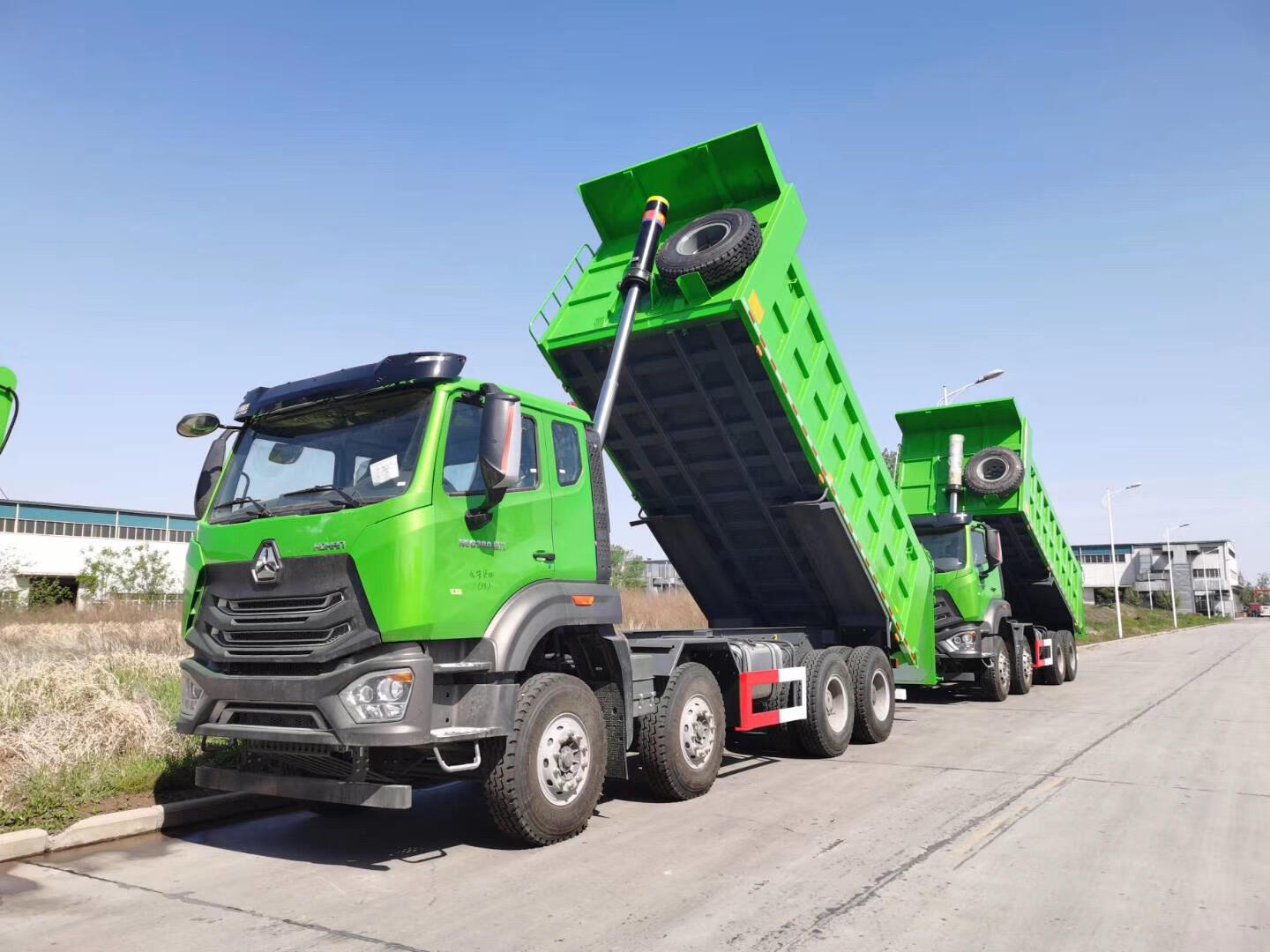
Understanding Dump Trailer Capacity: GVWR, Volume, and Real-World Limits
How GVWR and Payload Capacity Differ â And Why Both Matter for Compliance and Profitability
Gross Vehicle Weight Rating (GVWR) is the maximum safe operating weight of a fully loaded dump trailerâincluding chassis, body, and cargo. Payload capacity is derived by subtracting the trailerâs empty (tare) weight from its GVWR. For example:
- Trailer GVWR: 7,000 lbs
- Empty weight: 2,000 lbs
- Payload capacity: 5,000 lbs
Exceeding GVWR risks axle failure, brake degradation, and violations of federal bridge lawsâweight limits tied to axle spacing and configuration. Non-compliance can trigger fines up to $10,000 per offense (FMCSA 2023). Optimizing payload ensures both regulatory compliance and operational profitability.
Cubic Yard Calculations vs. Weight-Based Limits: Matching Density to Dump Trailer Specifications
Material density determines whether volume or weight governs your practical load limit. Low-density materials like mulch (400â800 lbs/yd³) often fill a trailerâs cubic capacity well before reaching its weight ceiling. High-density materials like wet sand (3,200+ lbs/yd³) frequently max out weight limits while leaving significant bed space unused.
| Material | Density (lbs/yd³) | Primary Constraint |
|---|---|---|
| Topsoil | 2,200 | Volume |
| Crushed Granite | 2,700 | Weight |
| Wet Sand | 3,200 | Weight |
Take a standard 14 cubic yard trailer rated for 37,800 pounds. When loaded with crushed granite, it hits maximum capacity right at those 14 cubic yards because granite is so dense. But switch to something lighter like mulch which weighs around 600 pounds per cubic yard, and suddenly that same trailer space only accounts for about 8,400 pounds. That leaves roughly 29,400 pounds still available on the scale! Getting the material density right according to specifications makes all the difference. Otherwise trucks end up making extra trips (costing money), burning unnecessary fuel, or getting hit with fines when they exceed weight limits. Proper planning saves both time and cash in the long run.
Bulk Material Types and Their Impact on Dump Trailer Utilization
Density-Driven Load Planning: Dirt, Gravel, Mulch, Rock, and Concrete Compared
Material density directly dictates how much weight a dump trailer carries when filled to volumetric capacity. Gravel averages 2,800 lb/yd³; mulch, just 500 lb/yd³ (Construction Material Density Report 2023). This disparity means:
- A gravel load may hit weight limits at ~70% of bed volume
- The same trailer loaded with mulch might use only ~40% of its payload capacity at full volume
Operators must consult verified density data alongside trailer specificationsânot assumptionsâto avoid costly inefficiencies.
The VolumeâWeight Mismatch: When a 'Full' Dump Trailer Is Underloaded by Weight or Overloaded by Volume
The disconnect between physical fullness and legal weight capacity creates real-world operational friction:
| Material | Density (lb/yd³) | 14 yd³ Trailer Scenario | Risk |
|---|---|---|---|
| Crushed Rock | 3,200 | Volume full at 12 yd³ â 38,400 lb | Exceeds typical 30,000-lb GVWR |
| Dry Topsoil | 1,200 | Volume full â 16,800 lb | 44% under payload limit |
A âfullâ load of lightweight material wastes fuel, labor, and trip efficiency. Conversely, dense materials risk axle damage, tire blowouts, and DOT enforcement action. Industry analysis shows 27% of dump trailers operate suboptimally due to unaddressed density-volume mismatches (Hauling Efficiency Journal 2023).
Dump Trailer Design Features That Maximize Usable Capacity
Gooseneck, Deckover, and Standard Configurations: Height, Width, and Stability Trade-offs
Gooseneck dump trailers attach above the truck bed which helps spread out the weight and makes towing much more stable, something that really matters when hauling those heavy loads with high GVWR ratings. The hitch sits higher up so operators have better control during transport, though this does mean less ground clearance compared to other trailer types. Deckover models take advantage of space by building the deck right over the wheel wells, giving maximum room for things like dirt, mulch or construction waste that takes up lots of space but isn't super dense. However, putting all that weight higher up raises the center of gravity, so drivers need to be careful about how fast they turn corners and maintain reasonable speeds. Standard bumper pull trailers keep the deck closer to the ground making it easier to load materials and providing better sight lines while driving, although these models lose some bed space because the wheels stick out into the cargo area. When picking between these options, most contractors look at what kind of materials they typically haul, the conditions on their job sites, and how much weight they need to move regularly. Goosenecks generally win out for serious weight capacity needs, deckovers work best when maximizing volume is key, and standard models tend to be preferred where easy access and flexibility matter most.
Reinforced Beds, High-Side Walls, and Hydraulic Lift Systems â Engineering for Higher Payloads
Beds reinforced with high tensile steel stand up better to the constant pounding from tough stuff like rocks and concrete, which means they last longer and keep their shape even after years of heavy use. The taller side walls, usually between 24 inches and 30 inches, give about 15 to 20 percent more space inside for lighter materials such as mulch or topsoil without going over weight restrictions. When it comes to lifting power, these trucks have advanced dual cylinder hydraulic systems that can generate anywhere from 3,500 to 5,000 pounds per square inch of force. This lets them dump full loads of around 20 tons in less than a minute all in one go. All these design elements come together really well too. Stronger frames handle bigger weights, those extra tall sides mean more room for lighter cargo, and the precise hydraulics make sure everything gets unloaded quickly and consistently. Operators report being able to complete jobs with about 25 fewer trips overall while still keeping within gross vehicle weight ratings.
Selecting the Right Dump Trailer Size and Axle Setup for Commercial Operations
Trailer size and axle setup need to match what the job requires in terms of carrying capacity and fit for specific worksites. Tandem axles handle around 14k to 20k pounds and stay stable on highways, making them reliable for most road trips. Single axle trailers work better in crowded city streets or residential areas where getting around tight corners matters more than hauling heavy stuff. These are great for lighter loads like 7k to 10k pounds when space is limited. What material gets transported makes a big difference too. Mulch isn't very dense at all (about 400 to 800 pounds per cubic yard), so bigger trailers over 20 cubic yards make sense here to maximize load potential. But when dealing with something heavy like gravel that weighs 3,000+ pounds per cubic yard, the trailer needs stronger construction with reinforced frames and careful attention to gross vehicle weight rating limits. The ground conditions also play into this decision. Gooseneck hitches give better control on rough terrain or construction sites but take away some storage space. Deckover models provide extra stability sideways which helps when transporting tall demolition debris. Make sure whatever specs get chosen for axles, bed size, hitch type, and wall height actually comply with FMCSA regulations AND still work practically at actual job locations. Otherwise there could be delays, tickets, or worse safety issues down the line.
FAQ Section
What is GVWR in a dump trailer?
GVWR stands for Gross Vehicle Weight Rating, which is the maximum safe operating weight of a fully loaded dump trailer, including its chassis, body, and cargo.
How is payload capacity calculated?
Payload capacity is determined by subtracting the trailer's empty (tare) weight from its GVWR.
Why is knowing material density important?
Material density affects whether volume or weight dictates your dump trailer's practical load limit, influencing operational efficiency and compliance.
How does trailer design impact capacity?
Features like reinforced beds, high-side walls, and hydraulic systems increase capacity by ensuring the trailer can handle larger or heavier loads more effectively.
What factors should be considered when choosing a dump trailer?
Consider the type of materials being hauled, ground conditions, and the specific worksite requirements when selecting a trailer size and axle setup.