EN
EN

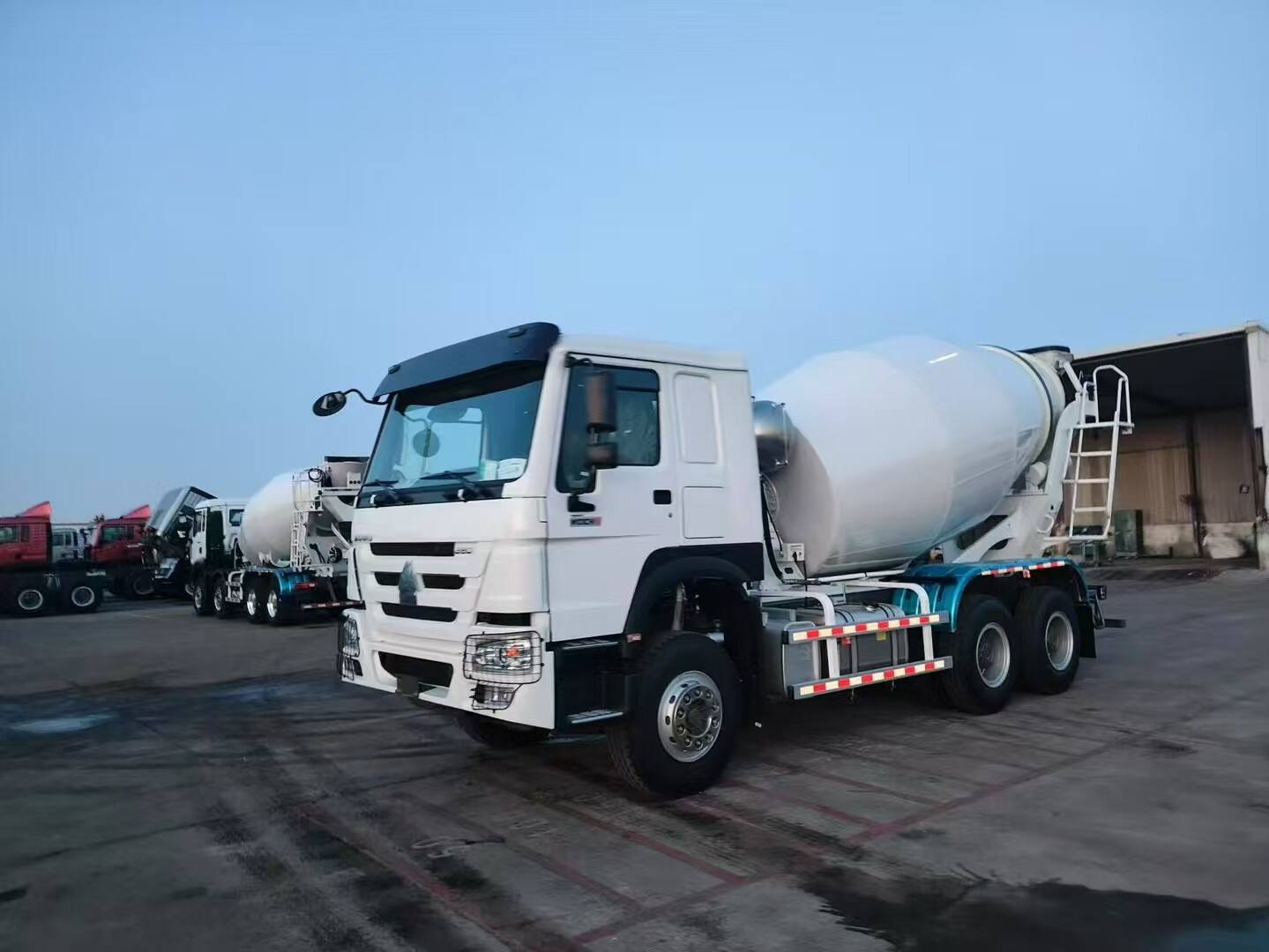
Why Concrete Mixer Trucks Excel in Remote and Logistically Challenged Sites
Eliminating Cold Joints and Transit Delays with On-Demand Mixing
Concrete mixer trucks address a big problem at remote construction sites where cold joints form because the concrete sits too long during transport. Regular ready mix deliveries often start setting before they arrive, particularly when trips take over 90 minutes or when unexpected things happen like road closures or bad weather holds things up. The volumetric mixer truck approach solves this whole issue since it mixes fresh concrete right at the job site. This means the material stays workable and maintains proper strength exactly where it needs to go. Testing done on various infrastructure projects throughout remote Australia has shown that mixing on site cuts down cold joint problems by about 86 percent compared to concrete brought from distant plants. This makes all the difference for projects where timing matters most, such as fixing bridges or building houses far from urban centers.
Overcoming Terrain, Distance, and Infrastructure Gaps in Regional Australia
Getting around Australia's outback isn't just about regular logistics stuff it takes special equipment built for the job. These tough concrete mixers handle rough dirt roads, steep hills, and even cross rivers during certain seasons when normal ready-mix trucks get stuck or need expensive escorts to move through. The trucks have heavy duty suspensions that soak up all those bumps from corrugated tracks, plus four wheel drive systems that keep going strong whether it's sand, mud, or gravel underfoot. What makes these mobile setups so good is they don't depend on those fixed batching plants which are pretty rare once you get away from the coast areas. For places like WA's Pilbara or mines in the NT, this means saving hundreds of kilometers on transport runs instead of hauling everything long distances. And here's another big plus these mobile operations avoid all sorts of infrastructure headaches nobody needs to worry about weighbridges, getting special permits for oversized loads, or relying on paved roads that simply don't exist in many parts of the outback.
Operational Agility: Rapid Deployment and Real-Time Batch Adjustment
From Arrival to Pour in Under 4 Hours: Setup Protocols for Critical Projects
Modern concrete mixer trucks can be up and running within just four hours thanks to their standardized setup procedures that work across different terrains. These trucks come equipped with preloaded materials including aggregates, cement, and various additives. When combined with their modular stabilizing and leveling components, they allow quick deployment even on rough or unprepared surfaces where there's no existing batching facility nearby. This capability cuts down those frustrating 2 to 5 hour wait times usually seen with traditional ready-mix concrete deliveries for projects located outside major cities. For critical construction needs such as building flood barriers or setting up medical centers in remote areas, being able to mix concrete right at the job site really helps manage risks from unpredictable weather conditions and keeps schedules from falling apart. The actual setup process follows several steps simultaneously: first leveling the ground takes about 10 to 15 minutes, then securing the outriggers, followed by calibrating the mixer itself. Most crews manage to start pouring fresh concrete around 3.5 hours after arriving on site. Take the recent case study from a big mining operation in Western Australia where workers managed to complete 120 cubic meters worth of concrete pours exactly when needed, saving approximately seven hundred forty thousand dollars in potential downtime according to research published by Ponemon Institute back in 2023.
Dynamic Mix Customization On-Site – Adjusting Slump, Strength, and Additives Instantly
Integrated digital controls allow operators to adjust mix specifications in real time–without waiting for plant recalibration or new batch orders. Onboard sensors and automated dispensing systems enable precise, minute-level modifications to:
- Slump consistency (50–150 mm) for varying pump distances or placement methods
- Compressive strength (20–50 MPa) via dynamic water-cement ratio modulation
- Additive integration, including steel or synthetic fibers, accelerators, or retarders, during active mixing
This responsiveness is essential when site conditions diverge from pre-planning–such as unexpected soil moisture or sudden temperature shifts. In a NSW highway upgrade, dynamic adjustments reduced material waste by 19% versus fixed-batch deliveries. Granular control prevents rework and optimizes curing timelines:
| Adjustment Type | Time Required | Impact on Efficiency |
|---|---|---|
| Slump Correction | < 2 minutes | 12% faster placement |
| Strength Enhancement | < 5 minutes | 28% lower curing delays |
| Additive Blending | < 3 minutes | 15% fewer rejects |
Total Cost Efficiency of Concrete Mixer Trucks for Remote Builds
Debunking the Upfront Cost Myth: 37% Lower Total Delivered Cost in NSW School Project
Many people think volumetric concrete costs too much, but they're missing out on what it really brings to the table, especially when building in remote areas. Take this school project in regional NSW back in 2023 as an example. The team saved about 37% overall by using those mobile concrete mixers instead of the usual ready-mix approach. These savings didn't come from cheaper materials though. They cut costs because there was no need for all that extra handling between steps, less downtime while waiting around, and none of that wasted product that happens so often. When everything gets mixed right where it needs to go, projects skip those batching plant charges, avoid getting hit with redelivery fees, and save money on labor since workers aren't just standing around waiting for trucks to show up. Looking at the whole picture over time shows these benefits stack up big time too. Lower rental fees for equipment, less money spent on supervisors watching every move, and smoother operations across the board made up for any extra cash needed upfront to get things rolling before pouring started.
Reduced Fuel, Labor, and Waste – Quantifying Hidden Savings per Cubic Meter
Concrete mixer trucks deliver measurable, compounding savings per cubic meter poured–particularly where distance, terrain, and supply-chain fragility inflate conventional costs:
- Fuel: 28% less diesel consumption by consolidating mixing and transport into one cycle–avoiding return trips for partial loads or rework
- Labor: 2.1 fewer worker-hours per m³ through automation of batching, calibration, and slump verification
- Waste: 15% lower material discard rates due to precise volume control and elimination of segregation during transit
In remote operations, these efficiencies scale rapidly: eliminating just one 40 km round-trip for redelivery saves approximately $84 per load in fuel and driver wages–a meaningful advantage when servicing rugged, low-density sites. More importantly, the integrated process preserves mix integrity, ensuring optimal structural performance while reducing rejection-related remediation costs.
FAQ
Why are cold joints a problem in remote construction sites?
Cold joints occur when concrete sits too long, causing issues in strength and workability. Mixer trucks prevent this by mixing on-site, avoiding cold joints.
What makes mobile concrete mixer trucks suitable for Australia's outback?
Their design allows them to handle rough terrain and long distances without relying on fixed batching plants, saving time and costs in remote areas.
How do concrete mixer trucks enhance operational agility?
They enable rapid deployment and real-time batch adjustment, cutting wait times and mitigating risks from unpredictable conditions.
Are volumetric concrete mixer trucks cost-effective?
Yes, they lower total delivered costs by saving on handling, reducing waste, and minimizing downtime, despite higher upfront costs.