EN
EN

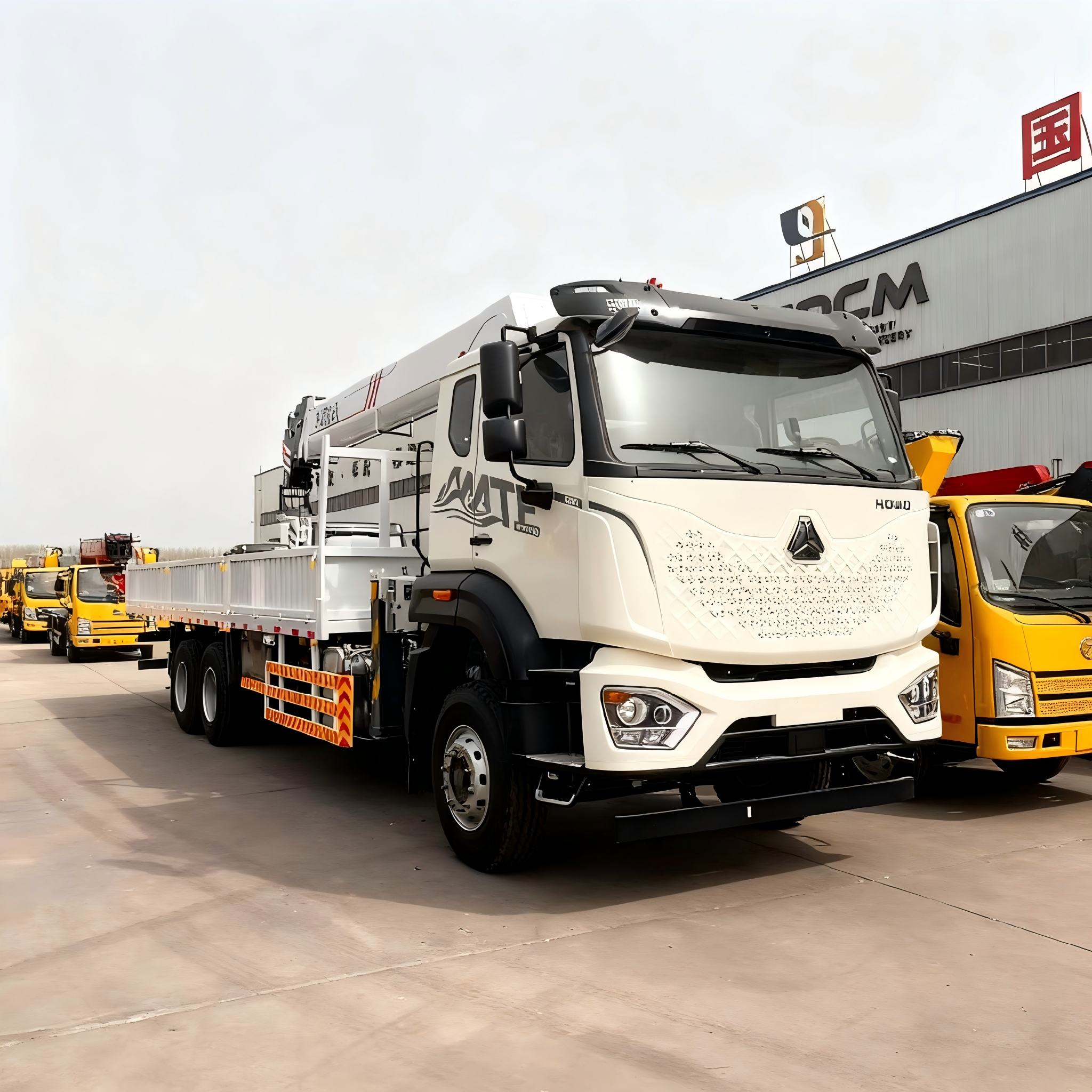
Crane Truck Mobility and Rapid Deployment for Time-Sensitive Rescues
All-Terrain Capability and Access to Confined, Damaged, or Unpaved Sites
Crane trucks have been designed to get into disaster areas fast where normal machinery just won't work. These trucks come with tough reinforced frames, high clearance suspensions, plus those big all terrain tires that let them move steadily over fallen buildings, waterlogged roads, and rough dirt paths nobody else can handle. The ability to move around like this means crews can start clearing away debris right away during city searches, and place equipment exactly where needed even in cramped spots or shaky ground without needing extra support trucks. Fixed cranes simply cant do this. Crane trucks go straight onto rubble covered land or wet ground, making those precious minutes count when people's lives depend on how quickly help arrives.
Faster On-Scene Readiness Compared to Conventional Cranes and Rigging Crews
According to some logistics research, crane trucks get ready to work about 70% quicker than old fashioned cranes. The whole system comes together because everything is built as one piece these days. No need to haul parts separately, hire extra workers for rigging, or spend hours putting things together at the job site. When emergency services arrive, their booms are up and running in just a few minutes flat. This matters a lot during road accidents or sudden floods where waiting too long can make situations worse. Take water rescue operations for instance. These teams rely on being able to drop boats right away from high spots along rivers or lakes something standard modular equipment just cant do without wasting precious time setting everything up first.
Core Emergency Rescue Applications of Crane Trucks
Urban Search and Rescue: Debris Removal and Structural Stabilization
When buildings collapse during earthquakes, crane trucks step in to clear dangerous debris like concrete slabs, steel beams and broken masonry pieces while being careful not to damage surrounding structures near empty spaces. These machines have really good control over what they lift, which means rescuers can pull people out safely without causing more collapses. What makes these trucks special is their ability to move around fast on crowded, wrecked sites where bigger cranes simply cannot go. That's why they're so valuable in cities packed with buildings, since even small movements matter when trying to navigate through tight spaces after disaster strikes.
Flood and Water Response: Swift Boat and Equipment Deployment
When floodwaters rise, crane trucks become essential for getting vital equipment across dangerous areas fast and steady. These machines work from higher ground or stable banks to hoist everything from rescue boats and portable water pumps to sandbags and makeshift bridges, even when the terrain is soaked through or bumpy as all get out. The latest numbers from FEMA's National Response report show something pretty clear: getting watercraft deployed quickly makes a big difference in saving lives during sudden floods. Crane trucks cut down response times in ways that old fashioned methods just cant match, which means help arrives faster when it matters most.
Highway and Infrastructure Incidents: Vehicle Extraction and Bridge Access
When big rigs flip over or construction gear blocks roads, crane trucks come in handy for getting things moving again much faster than regular recovery crews can manage. These specialized machines have those long articulated arms that can stretch up to bridge decks after accidents happen there, letting inspectors check damage or technicians get where they need to go. The stabilization features built into these trucks are pretty important too, especially when working on hillsides or broken asphalt surfaces where stability matters most. What makes them so valuable is how quickly they help fix road problems and keep emergency personnel safe when pulling people out of wrecked vehicles that are basically twisted metal now.
Operational Advantages: Efficiency, Adaptability, and Integrated Safety Features
Real-Time Load Monitoring, Auto-Leveling, and Operator-Assist Systems
Today's crane trucks come equipped with essential safety tech that boosts performance while keeping everyone safe. The real time load monitoring system constantly checks how weight is spread out across the truck and gives operators a heads up when they're getting close to maximum capacity. This helps prevent overloading accidents, especially during tricky rescue operations where ground conditions can change rapidly. Some stats suggest this tech cuts down on overload incidents by around 30% in those challenging situations. Another big plus is the auto leveling feature which adjusts the truck's base automatically when working on rough or moving ground. This saves a lot of time compared to manually leveling the truck. Operators also get help from various assist features like proximity alarms, guidance for the boom movement, and sensors that detect wind conditions to stabilize the equipment. All these improvements together seem to make a difference in rescue missions where timing matters most. Field studies show mission success rates go up about 25% with these systems in place, as reported in recent research from the Journal of Emergency Management.
Selecting the Right Crane Truck Configuration for Rescue Missions
Getting the right crane truck setup makes all the difference when it comes to getting the job done safely and effectively. Start looking at lifting power first. Most urban rescue jobs and vehicle extractions need at least a 20 ton rating, along with proper overload safeguards that meet certification standards. When working near flood areas or damaged buildings, go for those all terrain models with multiple axles for better stability. Why? Because according to the National Safety Council stats from last year, around three out of four crane accidents happen on shaky ground. The boom choice matters too. Telescopic booms give great reach across highways and bridges while knuckle booms, those articulating ones, work best where space is tight in city environments. Don't skimp on real time load monitors and automatic leveling systems either these days. They aren't just nice to have extras anymore they cut down setup times by nearly half compared to old fashioned manual methods. And don't forget about maintenance logistics. Make sure parts can be swapped out quickly in the field and there's actual tech support nearby when things get busy and equipment needs attention during long operations.
Frequently Asked Questions (FAQs)
What is the main advantage of crane trucks during emergencies?
Crane trucks offer remarkable mobility and quick deployment, allowing them to reach disaster areas faster than traditional cranes. This rapid response saves time, which is critical in life-saving situations.
How do crane trucks handle rough terrains or damaged sites?
Equipped with reinforced frames, high-clearance suspensions, and large all-terrain tires, crane trucks can navigate difficult terrains like waterlogged roads and rubble-covered areas, providing efficient support in various emergency scenarios.
What safety features are integrated into modern crane trucks?
Modern crane trucks feature real-time load monitoring, auto-leveling systems, and operator-assist features such as proximity alarms and boom movement guidance. These technologies enhance both safety and operational efficiency.
Why is selecting the right crane truck configuration important?
Choosing the right crane truck configuration ensures safety and effectiveness in rescue operations. Factors like lifting power, boom type, and stability systems are crucial for handling specific emergency scenarios.
Table of Contents
- Crane Truck Mobility and Rapid Deployment for Time-Sensitive Rescues
- Core Emergency Rescue Applications of Crane Trucks
- Operational Advantages: Efficiency, Adaptability, and Integrated Safety Features
- Selecting the Right Crane Truck Configuration for Rescue Missions
- Frequently Asked Questions (FAQs)