EN
EN

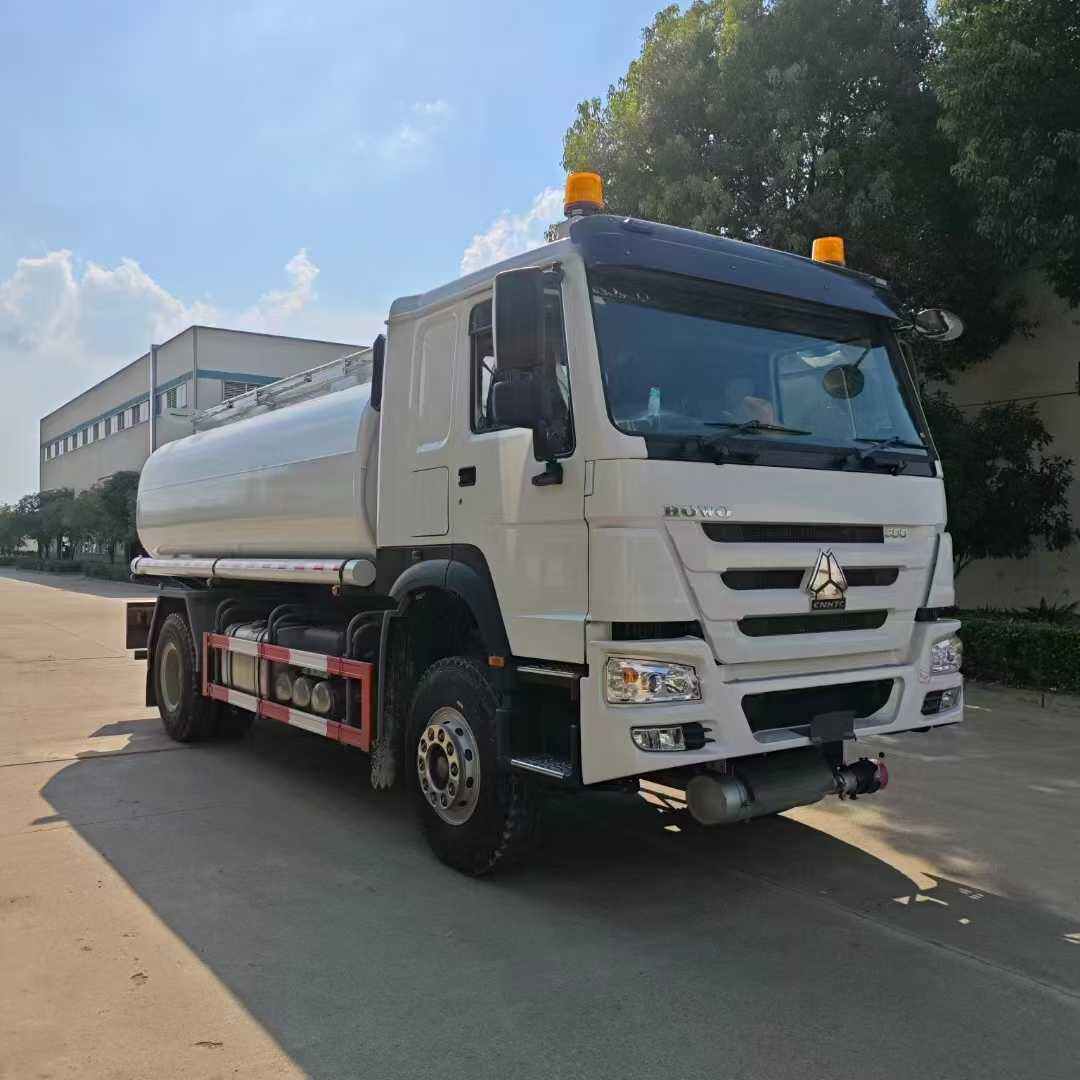
Engineered Containment: How Tanker Trucks Prevent Leaks and Spills
Structural Integrity and Pressure-Tested Tank Design
Tanker trucks need strong, reinforced steel along with modern fabrication methods to hold together when subjected to all sorts of operational stresses during transport. These include things like constant vibrations from roads, temperature changes as they move between climates, and sudden pressure spikes while loading or unloading cargo. The tanks themselves go through strict pressure tests both with water and air, sometimes reaching pressures as high as 3 psi even for tanks that aren't meant to handle pressure normally. This kind of testing goes well beyond what these tanks would typically experience day to day. The DOT actually mandates this process, which cuts down on leaks by around 70 percent compared to tanks that haven't gone through proper certification. Computer models help engineers spot weak spots in the tank design too, especially looking at areas where different parts connect, access hatches, and where the tank attaches to the truck frame. This makes sure everything stays reliable over time and meets those tough standards set out in the ASME Boiler and Pressure Vessel Code Section VIII.
Redundant Sealing Systems and Certification Standards (DOT 406/412, ISO 11654)
Multiple layers work together to prevent leaks including those dual elastomeric gaskets on hatch closures, plus spring loaded emergency shut off valves. There are also redundant vapor recovery seals which kick in automatically when there's over pressure or an impact event happens. Meeting standards like DOT 406/412 for non pressurized and low pressure tanks and ISO 11654 for vapor control systems means getting third party checks done regularly. These inspections look specifically at how fast the system detects leaks after something goes wrong usually within half a second from the moment of breach. Fleets that get their equipment recertified every year maintain much better performance records, with almost no spills reported for hazardous materials across certified operations. Looking at industry numbers shows that having these extra seal layers really makes a difference cutting down critical incidents by around 85 percent when vehicles experience sudden movements or temperature changes happen.
Regulatory Compliance and Operational Safety Protocols
FMCSA, PHMSA, and FDA Requirements for Tanker Truck Operations
Federal regulations cover almost every aspect of tanker operations, all aimed at preventing leaks during transportation from start to finish. The Federal Motor Carrier Safety Administration handles things like structural integrity requirements. This includes making sure pressure vessels get retested every five years as a mandatory check. They also set rules about how often valves need servicing, hose replacements, and when emergency equipment must be maintained. Then there's the Pipeline and Hazardous Materials Safety Administration dealing with hazardous materials classifications, proper labeling, and what kind of containment systems should be used. Companies caught breaking these rules face serious fines, sometimes over eighty thousand dollars for each violation. When transporting food products or pharmaceuticals, additional standards kick in. The Food and Drug Administration demands tanks made from stainless steel, detailed records of cleaning processes that meet specific FDA guidelines, and strict separation from anything that isn't food grade material. Independent auditors come in regularly to check compliance not just with these basic requirements but also against larger industry standards such as the ASME Boiler and Pressure Vessel Code. These checks help maintain quality control throughout the entire process from manufacturing tanks right down to when they're actually put into service on company fleets.
Driver Training, Pre-Trip Inspections, and Hazard Mitigation During Critical Phases
When it comes to keeping tankers safe, what humans do still matters a lot, especially those risky moments when transferring materials. Tanker drivers go through required hazmat training every three years as per federal rules. These sessions include practice scenarios where things can go wrong like system pressure issues, rollover accidents, or dealing with chemical spills. Before hitting the road, there's this standard inspection process with about 37 points to check off. Things like making sure hoses are intact, emergency shut offs work properly, vapor seals hold tight, and grounding connections stay continuous get documented along with the shipping paperwork. According to recent data from NTSB in 2023, around two thirds of all incidents happen while loading or unloading cargo. That's why extra training focuses on preventing surges, handling static electricity buildup, and following proper EPA approved steps for containing spills right at the start.
Application-Specific Tanker Truck Configurations for Maximum Safety
Material Compatibility: Stainless Steel, Aluminum, and Lined Tanks for Hazmat, Food, and Pharma
Choosing materials depends heavily on what they need to do and follows strict regulations across industries. Stainless steel grades like 304 and 316L remain the go-to choice for transporting food products and pharmaceuticals because they resist corrosion, have those super smooth surfaces below 0.8 microns roughness average, and work well with automated cleaning systems required by FDA regulations for surfaces touching food. When companies want lighter equipment to save on fuel costs, aluminum becomes attractive despite being heavier than stainless steel. It handles alkaline solutions pretty well too, which makes it good for moving things like bleach or sodium hydroxide. For really harsh chemicals such as sulfuric acid or chlorine dioxide, manufacturers often turn to carbon steel tanks with special epoxy or fluoropolymer linings inside. These coated tanks stand up against aggressive chemicals at a lower cost compared to other options and meet safety standards set by transportation authorities regarding both tank structure and lining quality.
Temperature-Controlled Systems: Insulated and Heated Tanker Trucks for Viscosity and Sanitation Control
Good thermal control matters a lot both for keeping products intact and avoiding mechanical problems down the road. Tanks lined with polyurethane insulation keep temperatures from drifting more than half a degree Fahrenheit per hour, which makes all the difference when shipping sensitive biological materials or vaccines. For transporting bitumen and asphalt, operators rely on steam or electric heating coils to keep cargo warm above 300 degrees Fahrenheit. This prevents the material from hardening up, which saves wear on pumps and keeps pipelines clear during transport. Milk tankers and egg transport vehicles typically feature three layers of insulation combined with glycol systems for heating and cooling, maintaining temperatures between 40 and 45 degrees throughout the journey. This helps stop bacteria growth as required by FDA standards for pasteurized milk. Most modern systems now include built-in temperature sensors that watch different zones inside the tank. When temps go outside the normal range by more than five degrees either way, these sensors send out warnings so crews can respond quickly. Plus they record everything digitally for audits later on.
FAQ
-
What materials are used in tanker trucks for transporting food products and pharmaceuticals?
Stainless steel grades like 304 and 316L are commonly used due to their corrosion-resistant properties and smooth surfaces, which make them suitable for food and pharmaceutical transport. -
How often do tanker trucks need pressure testing?
Pressure vessels in tanker trucks require retesting every five years as part of mandatory checks to meet safety regulations. -
What happens if a company violates tanker truck safety regulations?
Companies that violate regulations can face fines sometimes exceeding eighty thousand dollars for each violation. -
Why is temperature control important in tanker trucks?
Temperature control is critical for preserving the integrity of sensitive materials and preventing mechanical issues during transportation.