EN
EN

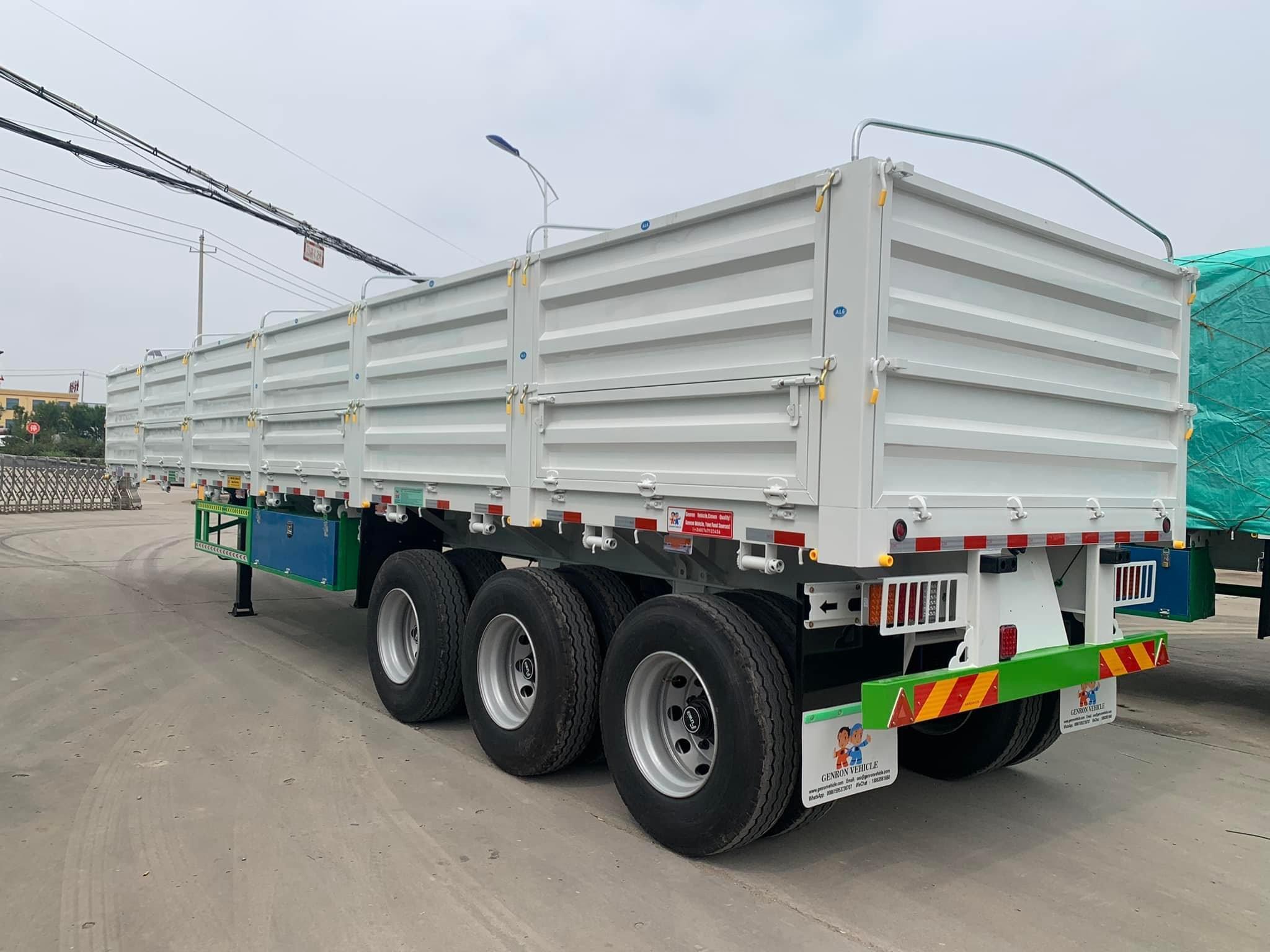
Choosing the Right Cargo Trailer Size for Your Payload and Space Constraints
Standard vs. Modular Dimensions (6×10, 7×16, 5×20) and Real-World Load Capacity Implications
The standard dimensions of cargo trailers give reliable payload performance and work well with most standard towing arrangements. For instance, the 6x10 foot model can hold compact items like two ATVs or smaller garden tools. Then there's the 7x16 foot version which handles mid-sized stuff such as full size UTVs along with their accessories, leaving about 30 inches of space around all sides. And if longer hauling is needed, the 5x20 foot option works great for things like lumber stacks, long ladders, or even some riding mowers weighing under three thousand pounds. Every trailer has a maximum weight rating called GVWR. Take the 7x16 foot trailer for example it usually maxes out at around 7,500 pounds. Going over this weight limit isn't just against regulations either the brakes start working much worse too, somewhere between 30% to 40% less effective according to those safety rules from FMCSA that everyone should know about when loading trailers.
Modular designs allow customizable length adjustments but require reinforced frames and axle placement to preserve structural integrity and load stability. Always verify manufacturer-specified GVWR, tongue weight limits, and axle ratings against your cargo’s total weight and distribution—not just its static dimensions.
Height & Interior Clearance: Optimizing Stacking, Vertical Cargo, and Vehicle Fit
The inside height of trailers usually falls between six and seven feet, which really affects how much stuff can be stored vertically and what kind of big equipment will fit inside. Trailers that are below 6.5 feet work okay for those garages with standard 8 foot doors where clearance is tight, but they make it tough to stack things properly and get heavy machinery like industrial mowers in there. When a trailer has the full seven feet of space inside, it makes all the difference for loading pallets upright or setting up multiple levels of tools without worrying about hitting the ceiling.
When roof mounted items such as vents or air conditioning units are installed, they typically cut down on available headroom somewhere between 8 to 12 inches. That's why measuring actual interior space at both center points and corner areas becomes essential before finalizing any plans. Where axles sit makes a real difference too when it comes to floor stability issues. Putting more weight toward the back axle gives better support for heavier stuff loaded high up, whereas having two axles spaced apart works wonders for distributing load evenly over longer trailers. Getting hitch heights right matters a lot because mismatched levels lead to trailer swaying problems. The rule of thumb? Keep hitch alignment within about 2% accuracy. If there's a 10% error margin though, tires tend to wear out around 25% faster based on tests done by SAE International (check their website for details). For those dealing with different terrains or operating multiple vehicles, adjustable couplers really come in handy most of the time.
Cargo Trailer Door Configurations: Balancing Access, Security, and Workflow Efficiency
Ramp Door Types Compared: Swing Ramp, Bi-Fold, and Straight Ramp for Different Loading Scenarios
Choosing the right ramp door makes a big difference when it comes to how fast things get loaded, keeping operators safe, and fitting into different worksites. Swing ramps work kind of like those old fashioned barn doors, swinging out sideways to give complete width access that's great for big or weird shaped stuff. But there's a catch - these need plenty of room on the sides, which means they won't fit well at crowded city loading zones or narrow driveways where space is already tight. Bi-fold ramps are another option that splits in half and folds up, saving both back and side space while still letting folks load partial shipments regularly. These tend to be really good for companies doing those final mile deliveries around town. Then we have straight ramps that just drop down at an angle, providing steady access for things with wheels like motorcycles or forklifts. The downside? There needs to be clear space behind them, something not always easy to find in busy industrial areas.
Matching the right ramp type to what's needed on site can cut down physical strain by around 15 to 30 percent compared to using lift gates, according to those NIOSH guidelines about how materials should be handled safely. Most forklift drivers stick with straight ramps because they offer better control over grades and slopes. Landscapers and construction crews tend to go for bi-fold models instead since they work well in all sorts of different situations where space might be tight or terrain changes constantly from one day to the next.
Side Door Options: Width, Placement, and Heavy-Duty Locking Systems for Secure, Flexible Access
Having side doors makes a big difference when it comes to getting work done efficiently. They're great for situations where only part of the load needs access, setting up drive through operations, or managing inventory without having to unload the whole trailer. The standard size is around 36 inches wide which works well for hand trucks and those little tool carts most folks use. Bigger openings ranging from 48 to 60 inches come in handy too. These larger spaces make room for handling drums, doing maintenance on equipment, or integrating those rolling shelves many warehouses rely on. Doors positioned towards the front near the hitch area are perfect for loading lengthy materials such as pipes or lumber right through the truck bed. On the other hand, doors located closer to center tend to distribute weight more evenly across the trailer when everything's packed uniformly inside.
When it comes to security, there's really no room for compromise. According to the NICB's latest Commercial Theft Report from 2023, around one out of every four trailer thefts happens because of poor locks. That's pretty staggering. So what works? Heavy duty rotary latches combined with those tough stainless steel padlock hasps make a real difference. And don't forget about slam locks either these things kick in automatically when the door closes, giving an extra layer of defense against thieves. The hinges matter too. Look for reinforced ones that can handle over 20 thousand operations before showing wear and tear. These stop people trying to force their way in and last through all that constant opening and closing. Speaking of which, having good side doors positioned just right makes loading and unloading so much faster on those long runs with multiple stops. Some reports suggest cutting down as much as 40% off the time spent at each location. Pair them with proper E-track tie downs and decent interior lights inside the trailer, and things get even better for efficiency.
Optimizing Cargo Trailer Layout for Specific Use Cases—ATVs, UTVs, Equipment, and More
Enclosed Cargo Trailer Dimension Benchmarks by Payload Type (e.g., 2x ATVs, 1x Full-Size UTV + Gear)
When thinking about trailer sizes, there's more to consider than just where the gear sits. Safety during loading, proper securing methods, and easy access for maintenance all matter too. A standard 6 by 10 foot trailer can actually fit two full size ATVs side by side since they're roughly 50 inches wide each. There's still space left over for those cross anchoring straps plus enough room for someone to move around inside. If someone needs to transport something bigger like a UTV model from brands such as Polaris RZR or Can Am Maverick, then a 7 by 16 foot trailer works better. This gives about 30 inches of space on every side which helps with air circulation when parked, makes it easier to work on parts if needed, and allows proper placement of the securing straps. For folks dealing with heavier items or longer equipment, going with a 5 by 20 foot trailer makes sense. These longer models are great for things like riding lawn mowers, small farm tractors, or even modular storage containers that weigh less than three thousand pounds gross vehicle weight rating.
Always add 12–18 inches beyond your equipment’s maximum dimensions to ensure safe maneuvering, tie-down anchor placement, and airflow—critical for heat-sensitive gear or battery-powered equipment.
Interior Customization Essentials: Tie-Downs, Shelving, and Brand-Specific Upgrades
What turns a simple container into something actually useful as a mobile work area is how well it functions inside. E track systems installed on walls and floors let workers attach all sorts of things - adjustable D rings, winch straps, special brackets needed when dealing with awkward items that move around during transport such as bikes, power generators, those big CNC machines we see in shops these days. The aluminum shelves here can hold over 500 pounds each, so they really maximize storage upwards while keeping plenty of room down below where people need to walk and work. Top companies in this field often come up with their own special additions aimed at making sure everything lasts longer and works better for specific jobs.
- Drop-down workbenches with integrated tool organizers and LED task lighting
- Moisture-resistant, non-slip flooring with embedded traction coating for wet or oily conditions
- Motion-sensor lighting packages with battery backup for nighttime or low-light loading
These features collectively extend trailer lifespan, reduce operator fatigue, and support compliance with OSHA’s workplace safety standards for mobile equipment storage [https://www.osha.gov/publications/osha3148].
How to Specify Your Ideal Cargo Trailer: A Step-by-Step Selection Framework
Selecting the right cargo trailer requires a disciplined, use-case-driven process—not guesswork or feature stacking. Follow this proven framework:
Measure your payload precisely: Record weight (including fluids, batteries, and accessories), dimensions (L×W×H), and shape—including protrusions like mirrors or roll cages. Underestimating weight is the most common cause of GVWR violations and unsafe towing.
Define primary use cases: Are you hauling ATVs weekly? Supporting construction crews with tools and materials? Making retail deliveries? Each scenario prioritizes different features—e.g., ATV transport demands robust tie-downs and ventilation; retail logistics benefits from multiple side doors and interior lighting.
Prioritize non-negotiable specifications: Based on steps 1 and 2, identify must-have traits—ramp type for loading frequency and terrain, interior height for vertical stacking, side door width and placement for workflow, and frame construction (e.g., 14-gauge steel vs. aluminum) for durability expectations.
Validate against real-world constraints: Confirm hitch compatibility, garage or yard clearance, local road restrictions (e.g., width/height limits), and insurance requirements. Cross-check manufacturer specs—not brochures—with third-party reviews and dealer-verified load test data.
Balance durability and value: Invest in heavy-duty locking systems, reinforced couplers, and corrosion-resistant finishes where usage justifies it—e.g., daily commercial use or coastal environments. Avoid over-specifying for occasional personal use, but never compromise on GVWR accuracy or structural integrity.
This methodical approach prevents costly mismatches, ensures regulatory compliance, and turns your cargo trailer into a reliable, scalable extension of your operation.
Frequently Asked Questions (FAQ)
What is GVWR and why is it important for cargo trailers?
GVWR stands for Gross Vehicle Weight Rating. It is the maximum weight limit set by the manufacturer that a trailer can safely carry. Exceeding this limit is not only against regulations but also reduces braking efficiency, posing a safety risk.
How does interior height impact cargo trailer utility?
Interior height impacts how you can stack items vertically and what large equipment can fit inside. Trailers with higher interior height allow for the stacking of pallets and easy accommodation of large machinery.
What are the advantages of modular trailer designs?
Modular trailer designs allow for customizable length adjustments but require reinforced frames and axle placements to maintain structural integrity and load stability. They are beneficial when you need flexibility in trailer space.
How can I improve the security of my cargo trailer?
Opting for heavy-duty locking systems, rotary latches, and stainless steel padlock hasps can significantly improve the security of your cargo trailer. Slam locks also add an extra layer of protection.
What interior customization options are available for cargo trailers?
Interior customization options include E track systems for tie-downs, wall shelving for upward storage, moisture-resistant flooring, and interior lighting packages. These features can enhance storage efficiency and usability.
Table of Contents
- Choosing the Right Cargo Trailer Size for Your Payload and Space Constraints
- Cargo Trailer Door Configurations: Balancing Access, Security, and Workflow Efficiency
- Optimizing Cargo Trailer Layout for Specific Use Cases—ATVs, UTVs, Equipment, and More
- How to Specify Your Ideal Cargo Trailer: A Step-by-Step Selection Framework
- Frequently Asked Questions (FAQ)