EN
EN

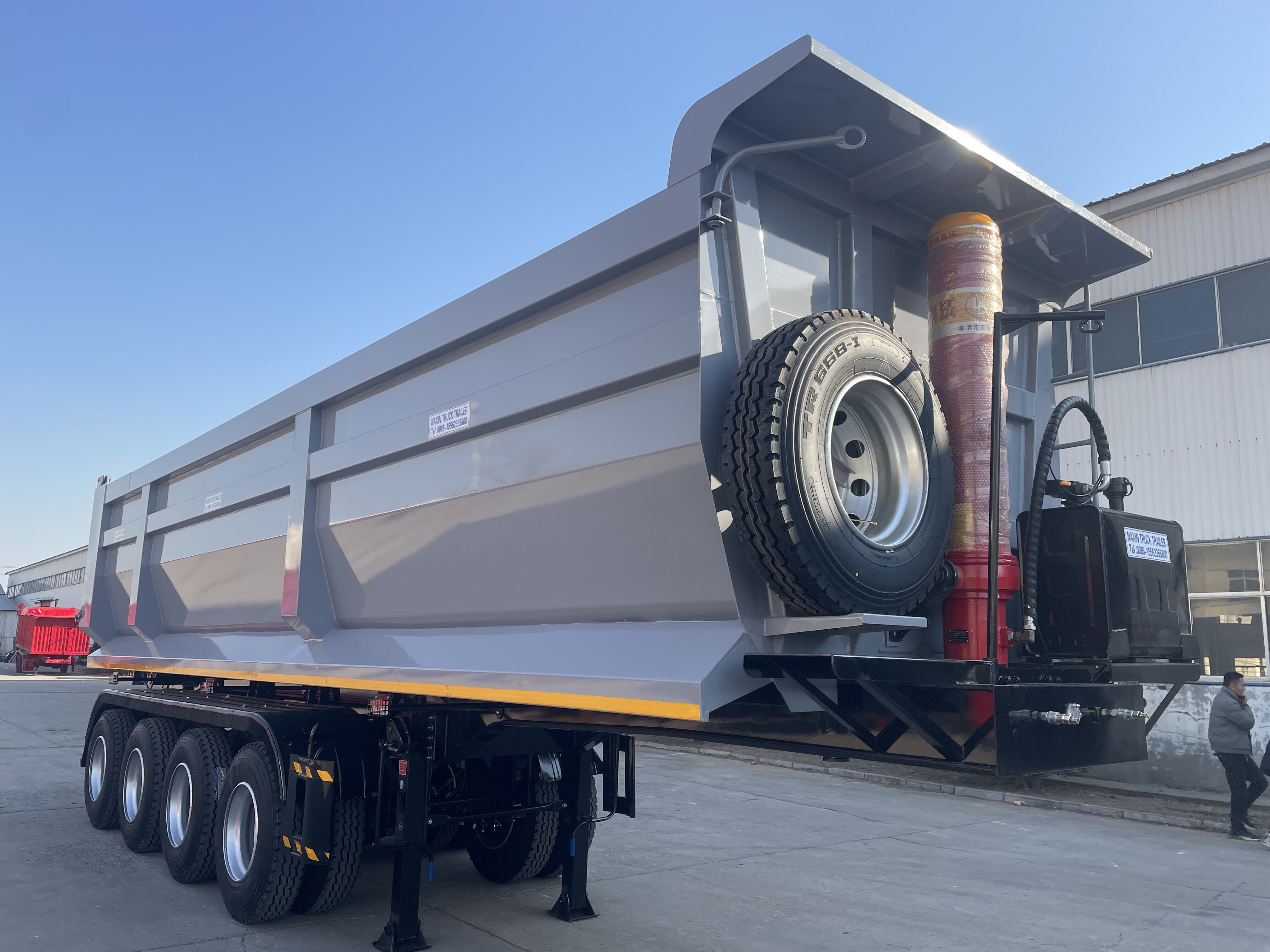
How Hydraulic Lift Systems Reduce Unloading Time in Dump Trailers
The Mechanics of Hydraulic Lift Systems in Heavy-Duty Dump Trailers
The hydraulic lifts rely on powerful pumps and cylinders to raise those heavy trailer beds just right. A recent report from the Fluid Power Institute back in 2023 noted something interesting about these systems they can actually reach pressures around 3,500 PSI. That kind of power means trailers get lifted quickly and can handle some serious weight too, probably close to 20 tons worth of cargo. What makes this work so well? The system uses what's called closed loop circuits for transferring power. These keep the fluid flowing consistently even when things get rough, like when working on those bumpy mine sites where flat ground is basically a myth.
Advanced High-Pressure Hydraulics: Enabling Faster, More Reliable Unloading
Today's hydraulic setups often feature variable displacement pumps which can tweak flow rates depending on what the system actually needs. According to recent findings published in Heavy Equipment Journal last year, these pumps cut down those annoying unloading periods quite a bit - going from around 8 minutes down to about 4 minutes and 42 seconds. Plus they save roughly 18 percent on energy usage too. Thermal management isn't something most folks think about either, but it matters a lot. These integrated systems stop the hydraulic fluid from breaking down when things get hot, which makes all the difference when operating equipment in places where temperatures regularly climb above 95 degrees Fahrenheit. Without proper heat control, even the best designed systems start acting up after extended use.
Real-World Performance: Case Study Showing 40% Faster Unloading Times
A Midwest aggregate supplier evaluated 25 retrofitted dump trailers over 1,200 operational hours. The results demonstrated significant improvements:
| Metric | Pre-Upgrade | Post-Upgrade |
|---|---|---|
| Cycle Time | 9.2 minutes | 5.5 minutes |
| Daily Loads | 14 | 20 |
| Maintenance Costs | $18/cycle | $11/cycle |
The upgrade boosted annual revenue by $740,000 (Ponemon 2023) through enhanced asset utilization and reduced downtime.
Industry Trends: Growing Adoption of Automated Hydraulic Systems in B2B Hauling
The Construction Equipment Association reports that about 73 percent of fleet operators are putting hydraulic automation at the top of their list when buying new dump trailers these days. Why? Well, there's this ongoing problem with finding enough workers. Nearly nine out of ten contractors have trouble getting staff in 2024, and projects just keep needing to run nonstop despite compressed schedules. When dump trailers connect to telematics systems, operators can watch pressure levels as they happen and get warnings before something breaks down. This means less downtime overall and equipment lasts longer too, which makes good business sense for anyone running a fleet.
Maintenance and Durability of Hydraulic Systems for Long-Term Efficiency
To keep them running smoothly over time, most high efficiency hydraulic systems need their fluids checked once a quarter and cylinders rebuilt approximately every two years. The top brands in the market are now installing these triple layer hoses that resist wear and tear, which actually stretches out how long they last before needing replacement. These upgraded hoses can handle around 5,000 operating hours before maintenance is required, way beyond what's typical at just 3,200 hours for standard equipment. According to research published last year on system longevity, nearly all (about 92%) of the machines that received regular maintenance kept performing exactly as specified by the original manufacturer even after five full years in service.
Boosting Productivity and Daily Haul Capacity with Faster Cycle Times
How Reduced Unloading Time Increases Number of Daily Trips
When unloading takes less time, crews naturally get more trips done during their shifts. Cutting those cycle times down from 10 whole minutes to just 6 means operators can squeeze in three extra runs every hour. That makes all the difference when working against the clock in industries such as mining operations or big construction projects where timing is everything. Equipment with spill proof features helps maintain full loads even when schedules are tight, so trucking companies can make the most out of available daylight hours or stick strictly to contract access windows without losing cargo along the way.
Data Insight: 25% Increase in Job Site Throughput Using Efficient Dump Trailers
Aggregate producers have been tracking field results lately, and what they're seeing is pretty impressive. Modern hydraulic systems are increasing daily haul capacity around 25% when compared against old school manual methods. Take a look at the 2023 quarry efficiency research too. The numbers tell the story: quarries with automated dump trailers managed about 28.4 loads each day while those stuck with traditional gear only hit 22.7. That translates into moving roughly 550 extra tons every day without needing more workers or longer hours. Makes sense why so many operations are making the switch these days.
Eliminating Bottlenecks: Why High-Capacity Dump Trailers Need Fast Unloading
When dump trailers start reaching those 40 plus cubic yard sizes, things get tricky with unloading delays becoming a real headache. That's where better hydraulic systems come in handy, keeping those unload cycles down to around 8 minutes max even when fully loaded. No more waiting in line at the discharge area means materials keep moving without interruption. For places like asphalt plants that need a steady stream of material all day long, or landfills dealing with tight intake windows from regulators, this kind of reliability makes all the difference in daily operations.
Labor and Operational Cost Savings from Automated Unloading
Reducing manual labor needs through hydraulic automation
When it comes to unloading heavy materials, hydraulic automation has really changed the game. What used to take three or four workers now only needs one or two operators standing around. These automated systems can lift loads weighing as much as thirty tons all on their own, no need for anyone to manually crank handles or stand there watching for safety issues. According to some industry reports from last year, this means about half fewer people are needed on site which naturally cuts down on accidents too. The benefits become even clearer when looking at sectors facing serious staffing problems right now. Construction sites and mines across the country are struggling to find enough qualified workers, and wages keep climbing because of this shortage. We've seen hourly pay rates jump nearly 18 percent in just the last couple of years alone.
Lower operational costs per ton with faster, fewer-person unloading
High-speed hydraulic systems complete unloading in under 90 seconds, supporting 40+ daily loads compared to 25-30 with manual setups. This 33% throughput gain reduces cost per ton via fuel savings and optimized labor deployment. Municipal waste operators report saving $12-$18 per ton hauled due to reduced overtime and minimized equipment idle time.
Choosing the Right Dump Trailer Design for Maximum Efficiency
Comparing End-Dump, Side-Dump, and Gooseneck Trailer Configurations
Different types of dump trailers meet different job requirements on construction sites and mining operations. The end dump variety relies on one big hydraulic cylinder to raise the front of the trailer bed, which makes it great for quickly dumping loose stuff like gravel or sand without getting stuck. Side dump trailers work differently they actually tip sideways, so operators can place material exactly where needed along roadsides or inside mines. Then there are gooseneck trailers that sit over the back axle of the truck, giving drivers much better control when working in tight spots around buildings or equipment. According to some field testing we've seen, these end dump setups can clear out dry bulk materials anywhere from 30 to almost half again as fast compared to their side dump counterparts. And those gooseneck models cut down on setup time by about 20 percent when working in city environments where space is limited.
Matching Dump Trailer Type to Construction, Mining, or Municipal Hauling Needs
| Trailer Type | Ideal Industry | Key Advantage | Material Compatibility |
|---|---|---|---|
| End-Dump | Construction | Fastest unloading cycle | Aggregate, demolition debris |
| Side-Dump | Mining | Precise lateral distribution | Coal, graded gravel |
| Gooseneck | Municipal | Tight-radius maneuvering | Asphalt, snow removal payloads |
Municipal operators note 35% fewer repositioning maneuvers with gooseneck trailers during snowplow operations. In mining, side-dump trailers deliver 15% more consistent material spread, reducing secondary grading expenses.
Design Impact on Speed, Safety, and Site Compatibility
The way trailers are built really affects how well they work. Take end dump trailers for instance. These have beds that tilt up to about 45 degrees and can dump cargo in around 18 to 25 seconds. But watch out for space requirements since they need anywhere from 25 to 40 feet of room to operate safely. Side dump models tend to be steadier when unloading materials. According to OSHA data from last year, there were roughly 42 percent fewer tipping accidents compared to end dumps because side dumps sit lower to the ground. Then there's the gooseneck setup which allows almost 90 degree turns. This matters a lot in city construction zones where tight spaces are common problem on about two thirds of all job sites. Matching the right trailer type to what needs hauling makes a big difference too. The National Association of Trailer Manufacturers found operators get about 19% more trips per day when they select equipment properly for the material being transported.
Frequently Asked Questions
What is the main advantage of using hydraulic lift systems in dump trailers?
The primary advantage of hydraulic lift systems in dump trailers is their ability to significantly reduce unloading time and increase productivity, resulting in a higher number of daily trips and operational efficiency.
How do hydraulic systems help in operational cost savings?
Hydraulic systems achieve cost savings by automating and speeding up the unloading process, reducing the number of required workers, decreasing maintenance costs, and optimizing fuel usage.
Why are different types of dump trailers used in various industries?
Different dump trailer designs cater to specific industry needs by offering unique advantages, such as faster unloading cycles for construction, precise material distribution for mining, and maneuverability for municipal tasks.
How does hydraulic automation impact labor requirements on site?
Hydraulic automation decreases the number of necessary workers by automating material unloading, improving safety, and addressing labor shortages by requiring fewer operators.
Table of Contents
-
How Hydraulic Lift Systems Reduce Unloading Time in Dump Trailers
- The Mechanics of Hydraulic Lift Systems in Heavy-Duty Dump Trailers
- Advanced High-Pressure Hydraulics: Enabling Faster, More Reliable Unloading
- Real-World Performance: Case Study Showing 40% Faster Unloading Times
- Industry Trends: Growing Adoption of Automated Hydraulic Systems in B2B Hauling
- Maintenance and Durability of Hydraulic Systems for Long-Term Efficiency
- Boosting Productivity and Daily Haul Capacity with Faster Cycle Times
- Labor and Operational Cost Savings from Automated Unloading
- Choosing the Right Dump Trailer Design for Maximum Efficiency
- Frequently Asked Questions