EN
EN

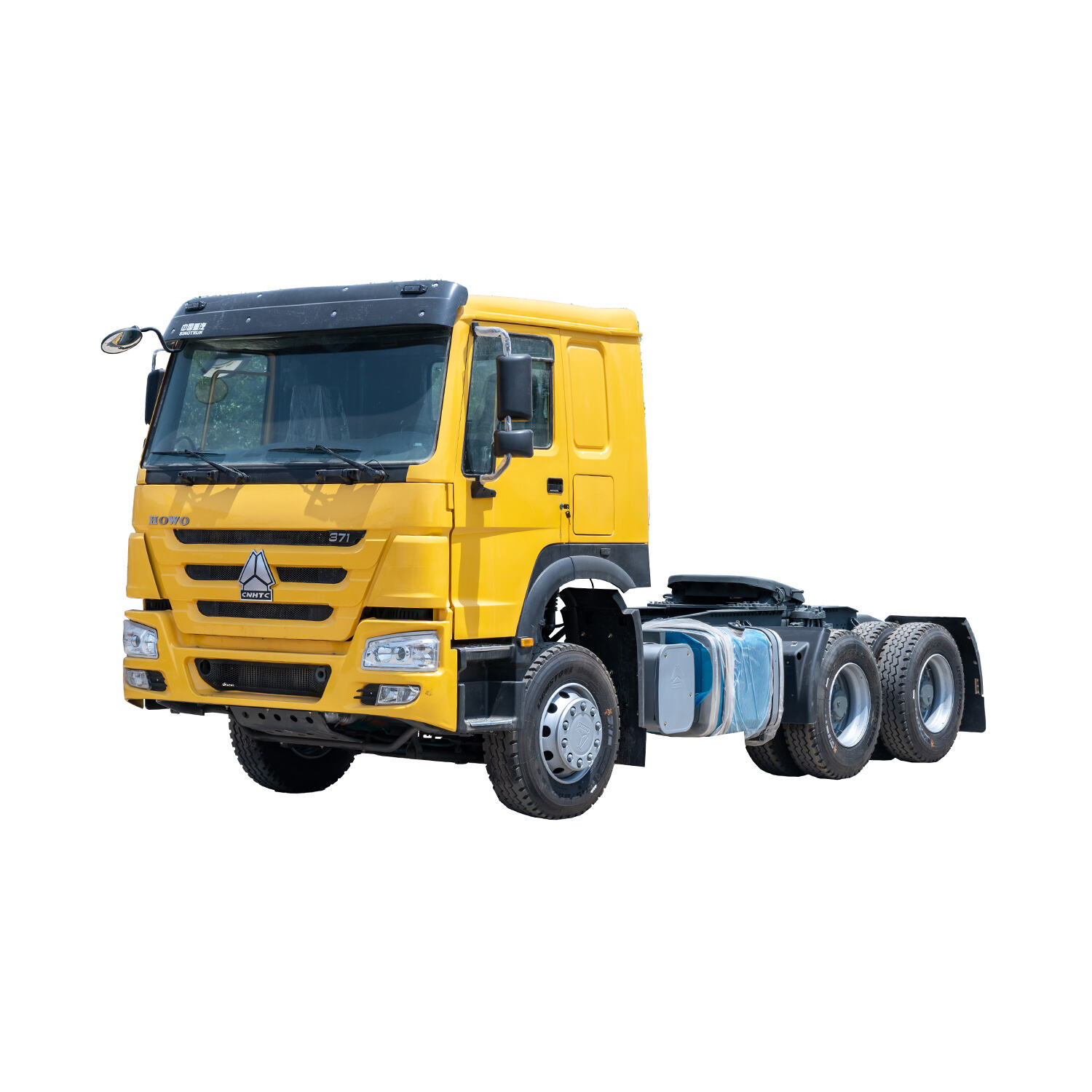
Understanding Aerodynamic Drag in Tractor Trailers
The Science of Aerodynamic Drag in Tractor Trailer Systems
When driving on highways, aerodynamic drag eats up more than half of a tractor trailer's energy budget, which makes managing how air flows around these vehicles really important for saving fuel. There are basically two main types of resistance here. First there's pressure drag, what happens when air gets squished against flat or rounded surfaces like the front part of the cab. Then we have skin friction drag, which comes from all that messy turbulence running down the sides of the trailer. Think about it this way: when trucks hit 65 miles per hour, nearly 37% of their fuel goes just to fight against these forces. That adds up to roughly $48k every year for each truck according to research published by the Transportation Research Board back in 2023.
Front-End Design and Cab Shape Optimization for Reduced Airflow Resistance
Modern tractors feature sloped windshields and rounded edges to guide airflow smoothly over the cab, minimizing turbulence. Pedestal-mounted door mirrors reduce wind deflection by 12% compared to traditional designs. According to a 2023 SAE International study, tapered cab roofs improve fuel economy by 3–5% by reducing frontal air compression.
Grille and Underbody Airflow Management in Modern Tractors
Optimized radiator grilles direct air into engine compartments without disrupting lateral airflow, while underbody shields prevent wind from impacting axles and suspension components. These enhancements cut undercarriage drag by up to 18%, delivering 2–3% fuel savings–verified by fleet operators following installation (North American Council for Freight Efficiency 2022).
Trailer Aerodynamics: Reducing Side and Undercarriage Drag
How Side Skirts (Trailer Fairings) Minimize Lateral Airflow Resistance
Side skirts act as barriers along the trailer’s lower edges, channeling airflow around the wheels and undercarriage instead of allowing chaotic vortices to form. By stabilizing lateral airflow at highway speeds, they reduce total aerodynamic drag by up to 15% in standardized wind tunnel testing.
Material and Mounting Innovations in Side Skirt Technology
Contemporary side skirts use lightweight composites such as carbon-reinforced polymers, offering a 30% weight reduction over steel while maintaining durability. Flexible mounting systems absorb road vibrations and preserve optimal ground clearance, crucial for preventing damage during uneven terrain navigation.
Underbody Drag Reduction Through Streamlined Panels and Shields
Full underbody panels can reduce turbulence beneath trailers by 40%, resulting in 5–7% fuel savings on long-haul routes. Integrated designs now combine aerodynamic performance with protection from road debris, delivering dual benefits in a single system.
Optimizing the Tractor-Trailer Gap and Rear Airflow
The impact of the cab-trailer gap on aerodynamic efficiency
The gap between tractor and trailer is a major source of drag, contributing up to 25% of total wind resistance at highway speeds. Air rushing through this space creates turbulent vortices that increase engine load, raising fuel consumption by 4–6% in standard configurations (Transportation Research Board 2023).
Gap fairings and extendable devices for smoother transition airflow
Gap fairings–flexible panels bridging the tractor-trailer junction–reduce drag coefficients by up to 17% in wind tunnel tests, translating to 2.3% fuel savings across extended operations. Some fleets use extendable baffles that automatically adjust to different trailer lengths, ensuring consistent airflow optimization regardless of load configuration.
Trailer tails and rear drag reduction systems for improved fuel economy
About twenty percent of all aerodynamic losses come from drag at the back end of vehicles. These days, many trucks are using something called trailer tails, which are basically collapsible extensions that make the rear longer. When deployed, they help airflow separate more gradually from the vehicle, cutting down on those pesky low pressure areas that pull against the truck like a vacuum. According to testing done in actual road conditions, these devices can cut fuel usage anywhere between six to twelve percent when driving at around sixty-five miles per hour. The savings get even better during crosswind situations, where standard box trailers tend to fight against the wind much more than usual, creating extra resistance.
How rear airflow management reduces turbulence and saves fuel
Computational fluid dynamics helps modern systems tackle those annoying gaps and turbulent areas at the back of vehicles. When manufacturers manage to smooth out how air flows over and around the whole tractor-trailer combo, they're seeing somewhere between 9 to maybe even 15 percent less drag. That translates into real money savings for fleet operators too. At today's fuel costs, each truck can save roughly eight thousand four hundred dollars every year just from this improvement alone. The benefits get even better when companies pair these changes with other improvements like side skirts or roof fairings. With environmental regulations getting tougher all the time, these kinds of efficiency boosts make it easier for transportation companies to stay within legal limits while still keeping their operating costs under control.
Measuring Fuel Efficiency Gains from Aerodynamic Upgrades
Quantifying Fuel Consumption Reduction in Long-Haul Tractor Trailers
Improving aerodynamics helps fight against drag forces that actually account for over half the energy consumed by trucks when they're cruising down highways. When companies install proper aerodynamic kits, they typically see around 7 to 12 percent better fuel efficiency. That translates into saving somewhere between 650 and 1,100 gallons annually for trucks covering about 100,000 miles each year. Computer simulations using complex fluid dynamics models show that when tractor trailers are properly designed together, they might even reach above 10 miles per gallon at 65 miles per hour. This represents roughly a 22 percent boost compared to regular trucks without these modifications. For fleet operators looking to cut costs while being environmentally conscious, these kinds of improvements make real world sense.
Case Study: Fleet-Wide Implementation of Aerodynamic Devices and ROI
A 500-truck logistics company reduced annual fuel costs by $2.8 million after retrofitting its fleet with three key upgrades:
- Side skirts (4.2% savings)
- Gap fairings (2.1% savings)
- Trailer tails (1.8% savings)
The $3,200 investment per vehicle paid back in 14 months through diesel savings. Operational data confirmed sustained performance across varying wind conditions and loads when properly maintained (Fleet Efficiency Quarterly 2021).
Industry Benchmarks for Fuel Savings With Side Skirts, Gap Covers, and Tails
Performance metrics for common aerodynamic components:
| Component | Avg Fuel Savings | ROI Timeline | Maintenance Cost/Year |
|---|---|---|---|
| Side Skirts | 4–6% | 10–18 months | $220 |
| Gap Fairings | 2–3% | 16–24 months | $85 |
| Trailer Tails | 1.5–2.5% | 12–20 months | $150 |
Per EPA validation protocols (2023), integrated installations typically deliver 7–10% total fuel economy improvement. SmartWay-certified configurations now make up 68% of new North American trailers, up from 42% in 2018.
Future Trends in Integrated Aerodynamic Systems for Tractor Trailers
Combining Aerodynamic Devices for Maximum Efficiency Gains
The manufacturing industry is moving away from single part solutions and embracing full aerodynamic kits that bring together things like roof fairings, side skirts, and those little gap reducers everyone talks about. According to tests done under SAE J1321 standards, when all these parts work together as a system, they actually save three times more fuel than just putting on one component at random. Some real world tests showed fuel consumption dropping around 12% during long haul trips. Companies adopting this comprehensive approach focus on five main areas where air resistance builds up: what happens with airflow at the front, the space between the tractor and trailer, those annoying vortices under the truck bed, friction along the sides, and how air flows out behind the vehicle after it passes.
Smart and Adaptive Aerodynamics in Next-Generation Semi-Trailers
New prototype cars are starting to incorporate shape memory alloys along with compressed air actuators that can change side skirts, rear tail sections, and even roof shapes as needed while driving. The onboard AI looks at data from around 16 different sensors on the car including things like wind speed and direction before deciding whether to activate these aerodynamic improvements. Tests show that people who have tried these systems report about 7 percent better fuel economy compared to fixed body kits when driving in changing weather conditions. Plus, parts tend to last longer since they're not constantly moving all the time. Some early testers noticed their components wore down about 40% slower because the system only activates what's actually needed for each situation.
Regulatory Standards and Industry Adoption Driving Innovation
The upcoming 2024 EPA rules demand that new Class 8 trucks achieve between 5 to 7 percent better fuel efficiency by 2027. This has manufacturers scrambling to develop better aerodynamic solutions for their vehicles. According to a recent NACFE study from 2023, most big trucking companies (around 83%) are already adding these kinds of improvements when they refresh their trailers. That's actually quite a jump from just 67% back in 2020. What's interesting is how quickly these modifications pay off too. At today's fuel costs, many companies see their investment recouped within about 18 months or less. With both government requirements and financial benefits pushing things forward, we're seeing something pretty remarkable happening across the industry. Companies that once competed fiercely are now working together to create standard mounting systems that make it easier for everyone to adopt these efficiency measures without having to reinvent the wheel each time.
FAQ
What is aerodynamic drag?
Aerodynamic drag is the resistance encountered by an object moving through air, which can significantly affect the fuel efficiency of vehicles like tractor trailers.
How do side skirts reduce drag?
Side skirts channel airflow along the trailer's lower edges, minimizing chaotic vortices and reducing lateral airflow resistance.
What are trailer tails?
Trailer tails are collapsible extensions that reduce rear-end drag, resulting in improved fuel economy.
How much fuel can aerodynamic upgrades save?
Proper aerodynamic kits can save between 7 to 12 percent in fuel consumption annually.