EN
EN

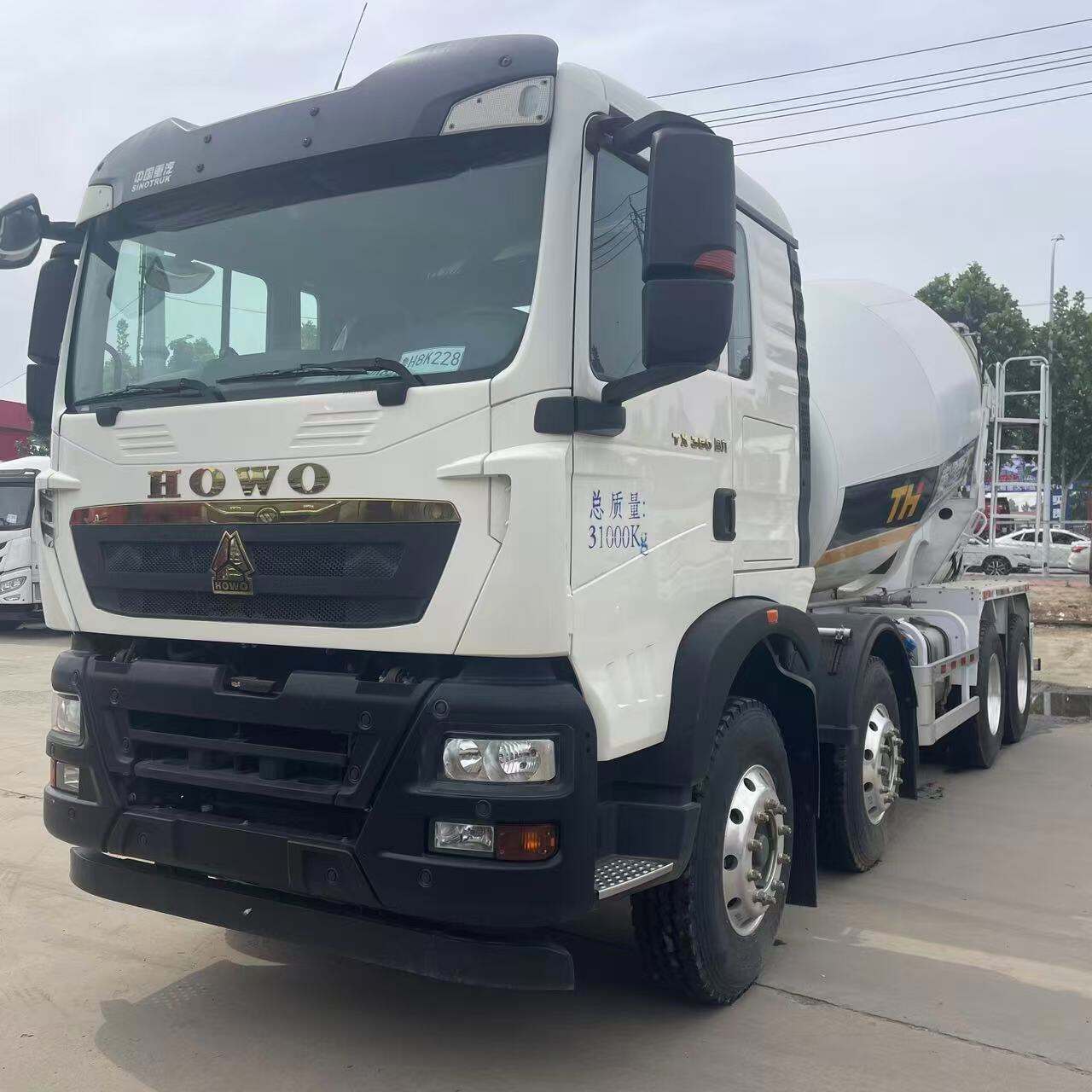
Match Drum Capacity and Mixing Performance to Project Scale
Optimizing Drum Capacity: From Small Residential Slabs (3–6 m³) to Large Infrastructure (12–16 m³)
The size of concrete mixing drums has a big impact on how much things cost, the quality of the final product, and what happens at the job site. When working on smaller jobs like driveways, patios, or little foundation work around homes, drums that hold between 3 and 6 cubic meters are usually best because they cut down on wasted materials and can actually fit through tight city streets without too much trouble. On the flip side, bigger projects such as building bridge supports or pouring concrete into high rise buildings need much larger drums, typically 12 to 16 cubic meters. These bigger sizes help reduce how often trucks need to come back and forth and makes coordinating workers easier. One thing worth remembering though is that filling drums past about 90% of their maximum capacity causes problems with how the aggregates move around while being transported. Studies show this increases the chance of separation in the mix by roughly 40%, according to ACI guidelines. Leaving some space at the top, around 15 to 20%, isn't just extra room. It's actually essential for getting everything mixed properly so the concrete maintains its desired consistency and strength throughout the project.
Mixing Speed, RPM Consistency, and Batch Uniformity Across Load Variability
Getting good mixing results really depends on keeping the rotation speed steady. It's not enough to have a certain RPM number on paper; what matters most is how consistently the mixer spins while dealing with different weights and materials. Today's hydraulic systems can hold around 12 to 18 RPM with about 5% variation as trucks move along roads. This helps stop aggregates from settling down in mixes that are either low slump or contain fibers. The benefit? Concrete stays strong and uniform throughout each batch, even if there's a 30% difference in how full the drum gets loaded. Some advanced models take this a step further with sensors that check viscosity right away. These systems tweak torque and power output based on outside temperatures or sudden changes in what kind of mix is being made. Such adjustments matter a lot when pouring complicated jobs that involve multiple phases of concrete placement.
Evaluate Powertrain, Chassis, and Site Maneuverability
Effective concrete mixer truck selection hinges on balancing engine performance with real-world mobility constraints.
Engine Compliance and Torque Delivery: Tier-4 Final, BS-VI, and Real-World Grading Performance
The Tier-4 Final and BS-VI emissions regulations require pretty advanced after treatment systems these days, but meeting those standards doesn't have to come at the expense of how well the vehicle actually drives. When talking about engines in the 400 to 600 horsepower range, they need to maintain good torque when working hard, not just look good on spec sheets. According to a recent Fleet Efficiency Study from 2024, trucks equipped with hydraulic drive systems managed to cut down yearly fuel expenses by around seventy four thousand dollars. These same vehicles could still produce about 240 Newton meters of useful torque even when climbing hills with a 30 percent grade. That shows emissions controls don't necessarily mean worse hill climbing ability. Thermal management matters too though. The right cooling system keeps things from getting too hot during long periods of operation without breaks. Without proper heat control, engines might lose power or shut down unexpectedly, which nobody wants when trying to stay productive.
Urban and Confined-Site Mobility: Turning Radius, Axle Configuration, and Low-Speed Stability
Maneuverability becomes absolutely essential when working in crowded city areas. Trucks that can turn within 10 meters or less manage tight corners better thanks to their three axle design and smart steering systems that adjust based on load weight. These trucks experience less tire wear and damage to road surfaces during turns. Many top European truck makers have started including rear axle steering as standard equipment, which gives operators about an 18 percent boost in handling compared to older models. When dealing with busy streets or areas near underground utilities, trucks with reduced suspension height help avoid hitting low hanging obstacles while still maintaining enough ground clearance for proper drum operation. The hydraulic stability system also plays a big role in preventing accidents on rough terrain or unfinished construction sites where proper grading hasn't been completed yet.
Choose the Optimal Concrete Mixer Truck Type by Application
Project success depends on matching your concrete mixer truck to specific job requirements. Each type excels in distinct environments.
Transit Mixers vs. Volumetric Mixers vs. Front-Discharge: When Each Excels on Highways, High-Rises, or Smart City Sites
Transit mixers remain the gold standard for highway and civil infrastructure work. Their ability to transport pre-mixed concrete from centralized batching plants ensures batch-to-batch consistency—even over 90+ km hauls—while leveraging economies of scale in production.
Volumetric mixers deliver unmatched flexibility for smart city deployments, remote sites, or projects with rapidly evolving specs. By batching raw materials on-site, they eliminate transit-related slump loss, reduce waste by up to 35%, and support real-time adjustments for air-entrainment, retardation, or fiber dosage—without requiring rework or remixing.
Front-discharge models are purpose-built for high-rise and mixed-use urban construction. Forward visibility, tighter turning arcs, and overhead discharge capability enable safe, precise placement in confined podium decks or crane-limited zones—reducing reliance on pumps and minimizing setup time per pour.
Calculate True Total Cost of Ownership for Long-Term ROI
Beyond Purchase Price: Service Network Coverage, Spare Parts Lead Times, and Automation-Driven Uptime
The sticker price accounts for less than 40% of a concrete mixer truck’s 7–10 year lifecycle cost. True TCO rests on three operational pillars:
- Service network density: Sparse dealer coverage risks multi-day delays on remote infrastructure jobs—where one day of downtime can cost more than a quarter-year of maintenance. Prioritize OEMs with certified service centers within 150 km of your primary project corridors.
- Spare parts availability: Average heavy-vehicle downtime costs $740k annually (Ponemon Institute, 2023). Regional parts warehouses—especially those stocking high-failure components like drum bearings, hydraulic pumps, and water metering valves—shrink lead times from weeks to hours.
- Automation-enabled uptime: Drum rotation sensors, oil condition monitors, and AI-driven predictive maintenance algorithms cut unscheduled failures by 32% and extend component life by 22% (McKinsey Heavy Equipment Benchmark, 2023). These features don’t just reduce repair bills—they protect billable hours, which directly compound ROI across the asset’s service life.
FAQ Section
What is the typical drum capacity for small residential concrete projects?
The typical drum capacity for small residential projects like driveways and patios is between 3 and 6 cubic meters.
Why is it important to keep some space at the top of the drum during mixing?
Leaving 15 to 20% space at the top of the drum is essential for preventing separation in the mix and maintaining the desired consistency and strength of the concrete.
What are the advantages of using volumetric mixers for smart city projects?
Volumetric mixers allow for batching raw materials on-site, eliminating transit-related slump loss and reducing waste. They also support real-time adjustments, making them ideal for smart city projects.
How do automation features enhance the ROI of concrete mixer trucks?
Automation features like drum rotation sensors and AI-driven predictive maintenance algorithms reduce unscheduled failures and extend component life, protecting billable hours and enhancing ROI.