EN
EN

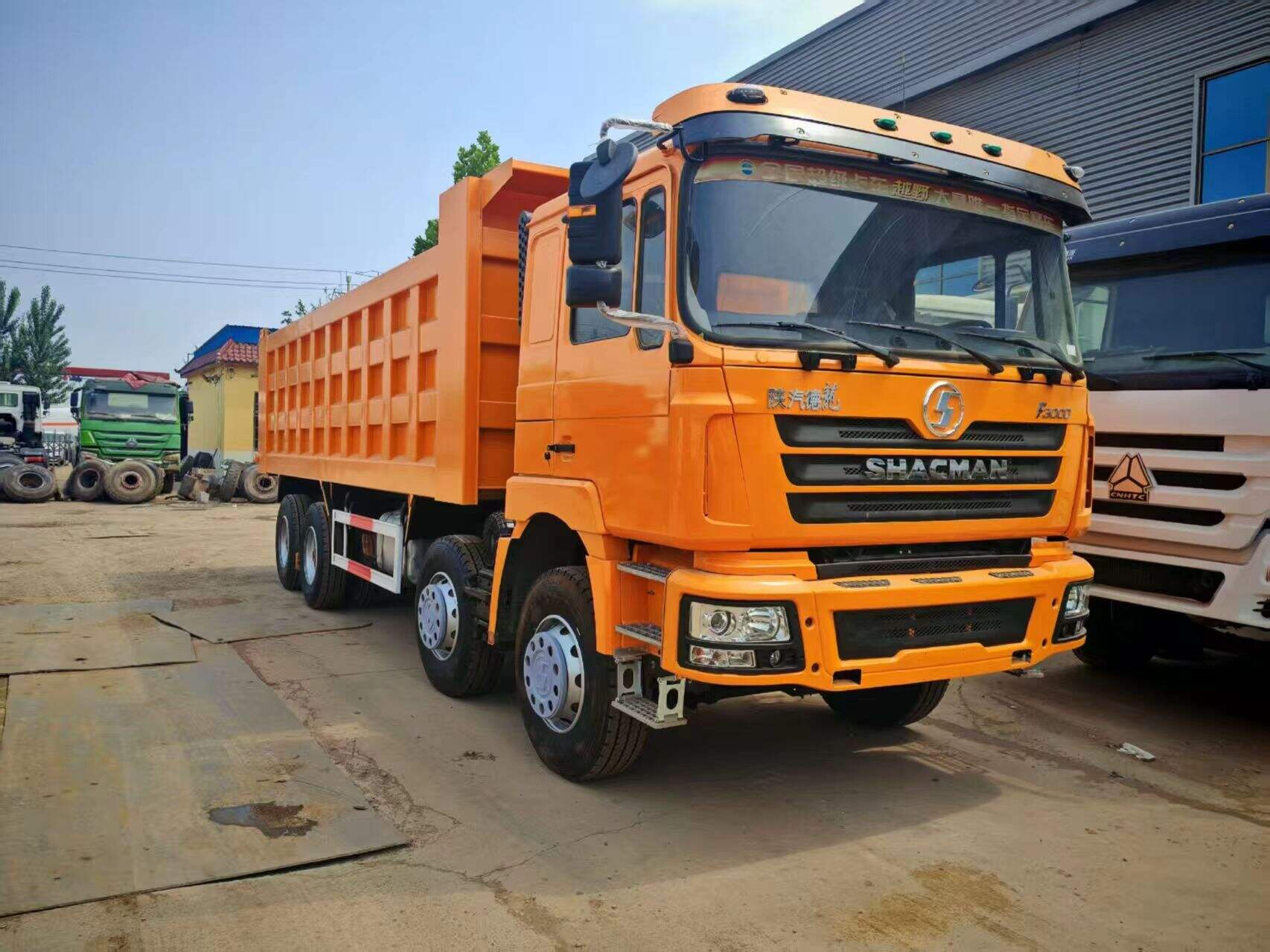
Payload Capacity and Legal Compliance: Matching 8x4 Truck Performance to Site Requirements
Calculating Optimal Payload vs. Legal Axle Load Limits
Determining the maximum payload for an 8x4 truck requires balancing operational efficiency with strict legal axle load limits. Exceeding these thresholds risks substantial fines—up to $15,000 per violation (FMCSA 2023)—and accelerates road damage, particularly on unpaved mining routes. Operators must calculate cargo weight against three key constraints:
- Gross Vehicle Weight (GVW) restrictions
- Per-axle load caps (e.g., 12,000 kg on drive axles)
- Federal Bridge Formula requirements
Overloading reduces braking efficiency by up to 40% and voids insurance coverage, exposing fleets to full liability in accidents.
Axle Load Distribution in 8x4 Configurations and Its Impact on Road Licensing and Site Access
The tandem rear axles in 8x4 trucks distribute payload more evenly than standard 6x4 configurations—reducing ground pressure by 30% and improving traction on soft or uneven terrain. However, improper load positioning can still trigger non-compliance with site-specific access rules or regional permit requirements. For example:
- Mines commonly enforce axle load limits 20% stricter than public road standards
- State-level permits are required for loads exceeding 8.5 ft width or 13.5 ft height
- Temporary access roads often mandate tire pressures under 100 psi to minimize surface damage
Optimal load centering over the rear bogie ensures legal compliance while protecting suspension components during repeated dump cycles.
Powertrain Performance: Diesel Engine Torque, Efficiency, and Off-Road Suitability for 8x4 Trucks
Minimum Torque Thresholds for Graded Ramps and Unpaved Haul Roads (e.g., ≥1,800 Nm)
Diesel engines deliver high torque at low RPMs—critical for 8x4 trucks operating on steep, unassisted grades. To maintain control and avoid power loss on 20%+ inclines with full payloads, engines must produce a minimum of 1,800 Nm of torque. This threshold supports safe operation across challenging haul conditions, including:
- Unpaved mine roads with washboard surfaces
- Tight switchbacks requiring immediate low-RPM traction
- Wet or muddy descents where engine braking is essential
Field testing shows that exceeding this torque threshold reduces drivetrain stress by 50%, while diesel’s inherent 30–40% advantage in low-end torque over gasoline engines enables sustained climbs without excessive downshifting.
| Terrain Challenge | Minimum Torque Requirement | Impact of Insufficient Torque |
|---|---|---|
| 25° graded ramps | 1,800 Nm | Gear hunting, overheating |
| Muddy haul roads | 2,000 Nm | Wheel spin, increased fuel use |
| Rocky inclines | 2,200 Nm | Drivetrain component failure |
Turbocharged Diesel Efficiency vs. Emission Compliance in Remote Mining Zones
Turbocharged diesel engines used in mining at high altitudes typically boost fuel efficiency around 15 to maybe 20 percent because thin air makes regular aspiration less effective. The problem comes when these machines need to meet Tier 4 Final emissions rules in remote areas. Selective Catalytic Reduction systems slash NOx levels down close to 90%, but those fancy Diesel Particulate Filters demand regular cleaning that has to fit around worker shifts. Getting enough DEF solution for SCR technology remains tricky in places without good roads or storage facilities. Latest engine models hit about 44% thermal efficiency thanks to variable geometry turbos, so they keep working hard even as environmental standards get tougher day by day.
Chassis, Suspension, and Traction: Ensuring Stability and Durability on Rugged Terrain
Leaf Spring vs. Air Suspension: Trade-offs in Durability, Maintenance, and Ride Height Control
The choice of suspension has a big impact on how well equipment holds up in mining conditions. Steel leaf springs stand out for lasting power when dealing with those harsh shocks from rough haul roads, plus they need maintenance far less often compared to air systems. Air suspensions work differently though. They provide better control over ride height and automatically level loads while dumping, which cuts down on twisting forces on the frame and keeps things stable even on bumpy surfaces. Sure, air systems bring more mechanical parts and require more attention from technicians, but this flexibility is why many operators go for them when regular height adjustments matter, especially around fixed height chutes or conveyor belts. When deciding between options, most experienced miners look at what kind of terrain problems dominate day to day operations. Leaf springs generally handle constant rock impacts better, whereas air suspensions shine when there's lots of variation in load heights or weights throughout the work shift.
Frame Rigidity and Dump Cycle Safety Under Full Payload Conditions
Frame rigidity is critical to safety during high-stress dump cycles. Lifting 30-ton aggregates at steep angles places enormous torsional strain on the chassis. Engineering standards indicate that frame distortion exceeding 5 mm during dumping significantly increases rollover risk. Key structural reinforcements include:
- High-tensile steel cross-members at pivot points
- Welded gussets around hydraulic mounting zones
- Box-section main rails engineered to resist twisting under load
A properly engineered frame maintains integrity even on unstable slopes, preventing catastrophic failures during unloading.
Safety-Critical Systems: Braking, Chassis Adaptation, and Site-Specific Resilience for 8x4 Trucks
Load-Sensing Brake Systems and Variable Payload Safety
Load sensing brake systems can change how much braking power is applied depending on what's actually in the truck bed at any given moment. This matters a lot for those big 8x4 trucks that carry between 20 and 40 tons of material during their dumping runs and when going down hills. The system works by moving hydraulic pressure around different axles so the truck stops properly without wheels locking up. Trucks fitted with these load sensing systems along with standard ABS air brakes see about a 42 percent reduction in skidding incidents while driving on rough dirt roads according to recent safety reports from 2023. These kinds of improvements make all the difference in day to day operations for heavy duty vehicles.
- Dynamic friction calibration responsive to GVW fluctuations
- Automatic emergency braking triggered by obstacle detection
- Steep-grade compensation calibrated for mining terrain exceeding 15% incline
Regular pressure monitoring and brake pad inspections remain vital: uneven wear can extend stopping distances by up to 7 meters at maximum legal payload.
Total Cost of Ownership: Evaluating Long-Term Value in Remote Construction and Mining Environments
Lifecycle Cost Comparison: OEM Support Networks vs. Local Aftermarket in Isolated Sites
When looking at total cost of ownership for those big 8x4 trucks used in mining, the real expenses go way beyond just what's paid upfront, especially out in those remote mines where getting parts is already tough enough. Original equipment manufacturers have these support networks that bring along certified techs, genuine replacement bits, and proper diagnostics tools. This actually cuts down on wrong diagnoses by around 40% and speeds up fixes considerably. Sure, OEM parts and labor typically cost about 25% more than what local shops charge, but most operators find they save money over time because these parts just last longer. Mining companies know all too well how expensive downtime gets – we're talking over seven hundred forty thousand dollars per hour according to Ponemon's research from last year. That makes getting things fixed right the first time absolutely critical. Local vendors might show up quicker when something breaks down in these isolated areas, but they struggle finding those special components needed for modern systems such as load sensing brakes or selective catalytic reduction setups.
| Cost Factor | OEM Support | Local Aftermarket |
|---|---|---|
| Parts Availability | Guaranteed genuine inventory | Variable quality, potential delays |
| Downtime Impact | 30–50% faster resolution | Higher risk of extended stoppages |
| Long-Term Reliability | Optimized for chassis specifications | Inconsistent performance tracking |
Where production continuity is mission-critical, certified OEM service agreements typically deliver superior long-term value—even at higher upfront cost.
FAQ
What is the maximum legal payload for an 8x4 truck?
An 8x4 truck's maximum legal payload is determined by balancing operational efficiency with legal axle load limits, including Gross Vehicle Weight restrictions, per-axle load caps, and Federal Bridge Formula requirements.
Why is frame rigidity important for dump cycles?
Frame rigidity is crucial during high-stress dump cycles to prevent chassis distortion exceeding 5 mm, which can significantly increase rollover risks.
How do load-sensing brake systems improve safety?
Load-sensing brake systems adjust braking power according to the truck's load, preventing wheels from locking up and reducing skidding incidents, particularly on rough dirt roads.
Table of Contents
- Payload Capacity and Legal Compliance: Matching 8x4 Truck Performance to Site Requirements
- Powertrain Performance: Diesel Engine Torque, Efficiency, and Off-Road Suitability for 8x4 Trucks
- Chassis, Suspension, and Traction: Ensuring Stability and Durability on Rugged Terrain
- Safety-Critical Systems: Braking, Chassis Adaptation, and Site-Specific Resilience for 8x4 Trucks
- Total Cost of Ownership: Evaluating Long-Term Value in Remote Construction and Mining Environments