EN
EN

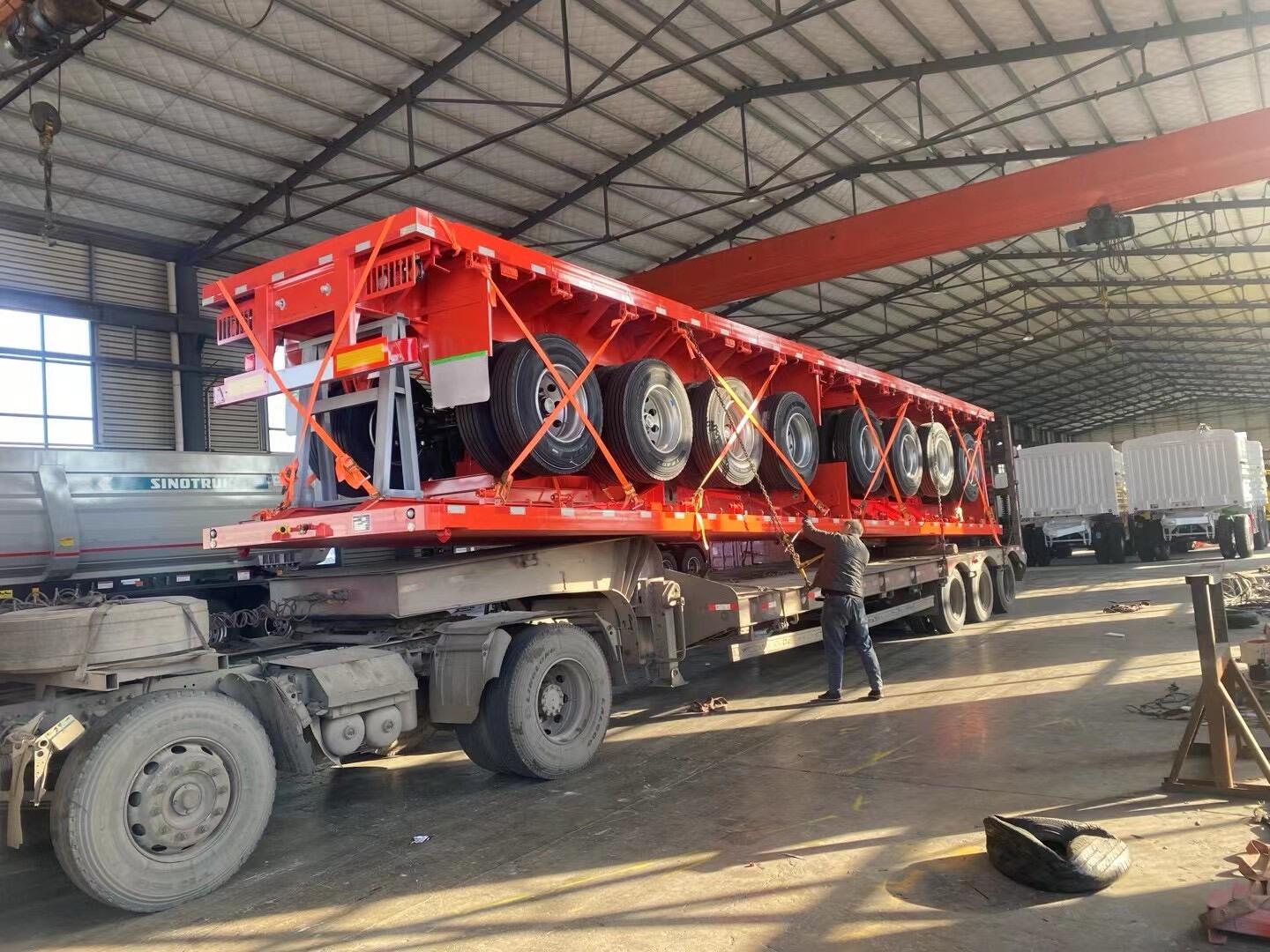
IoT-Enabled Container Trailers for Real-Time Monitoring and Operational Efficiency
Sensor-Embedded Chassis Tracking Dwell Times and Location Accuracy
IoT sensors embedded in container trailer chassis deliver continuous, sub-10-meter GPS accuracy—replacing error-prone manual check-ins and reducing dwell time miscalculations by 63% (Ponemon Institute, 2023). Real-time telematics integrate directly with port databases to identify delayed shipments early, enabling proactive intervention before congestion escalates.
Predictive Maintenance Alerts Reducing Unplanned Container Trailer Downtime
Vibration and temperature sensors detect emerging mechanical stress 14—26 days before component failure. Paired with maintenance algorithms trained on fleet-wide historical data, these insights enable repairs to be scheduled during off-peak windows—cutting unplanned downtime by 41% and avoiding an estimated $740,000 in annual losses per midsize fleet.
Integration with Digital Yard Management to Cut Gate-to-Yard Cycle Time by 22%
Automated handshake protocols between IoT-enabled trailers and Terminal Operating Systems (TOS) eliminate paper-based handoffs and manual status updates. As trailers enter the gate, real-time location and container data trigger immediate yard crane assignments—reducing average gate-to-yard processing from 45 to 35 minutes.
Smart Security and Automated Handover Systems for Faster Container Trailer Transfer
Biometric + RFID-Activated Locks Enabling Touchless, Audit-Trail Container Trailer Handovers
When biometric checks meet RFID locks, it creates a secure way to hand over trailers without touching anything, which cuts down on transfer times quite a bit, maybe around half in some cases. Every time someone gains access, the system records who it was, when they did it, and exactly where they were located. These records are kept safe through encryption so nobody can mess with them later. The two step process stops people from getting in without permission, and at the same time lets yard managers track where all those trailers go throughout the day. Terminal staff really appreciate this because they know exactly what's happening with their equipment at any given moment.
Tamper-Proof Door Sensors Syncing with Terminal Operating Systems (TOS)
Tamper-detecting door sensors provide continuous cargo security monitoring and instantly alert security teams upon unauthorized opening attempts. When synced with TOS, all access events are logged directly into the operational dashboard—enhancing transparency and cutting inspection delays by 28% without compromising cargo integrity.
AI-Optimized Horizontal Transport Coordination Across Container Trailer Fleets
Dynamic Route Optimization Cutting Average Container Trailer Idle Time by 31%
Smart routing systems powered by artificial intelligence look at real-time port congestion, check what equipment is actually available, review berth schedules, and see if cranes are ready before sending out trucks. These systems help cut down on those frustrating empty trips and wasted movements of idle chassis around the yard. According to recent data from Port Automation Report in 2024, this kind of smart planning can slash trailer waiting times by about 31%. Fuel consumption drops too, roughly 19% less per trip. Plus there's a significant reduction in carbon dioxide emissions. The best part? Trailers show up right when the cranes need them, no delays or holding patterns needed.
Truck-Gate Scheduling Algorithms Reducing Average Processing Time from 14 to 5.8 Minutes
Machine learning models forecast gate congestion and assign dynamic time slots to drayage trucks—synchronized in real time with TOS. This has reduced average gate processing from 14 to 5.8 minutes (Global Terminal Efficiency Study, 2023), prioritizes urgent shipments, redistributes queue loads, and cuts yard congestion by 27%.
Shared Digital Chassis Pools and Data-Driven Utilization Management
Blockchain-Verified Shared Container Trailer Pools Improving Fleet Utilization and Reducing Congestion
Blockchain-verified shared chassis pools allow multiple carriers and terminals to access real-time, permissioned data on trailer availability, location, and condition—eliminating redundant repositioning and idle assets. By pooling underutilized equipment, terminals reduce chassis shortages during peak periods and cut empty runs by 31%, directly easing yard congestion.
Data analytics further enhance this model by forecasting demand surges across berths and aligning trailer allocation with vessel arrival patterns. Operators dynamically deploy assets where they’re needed most—slashing gate-to-gate cycle times and transforming static inventories into responsive, coordinated networks.
FAQs on IoT-Enabled Container Trailers
What is the main advantage of using IoT-enabled container trailers?
The primary advantage of IoT-enabled container trailers is their ability to offer real-time monitoring and operational efficiency, significantly reducing errors and improving logistics processes.
How do predictive maintenance alerts benefit fleet operations?
Predictive maintenance alerts allow for the detection of mechanical stress days before potential failure, enabling timely repairs during off-peak windows and reducing unplanned downtime by 41%.
What role do digital yard management systems play in reducing cycle times?
Digital yard management systems automate handshake protocols and real-time data integration, reducing gate-to-yard cycle times by 22% through efficient resource allocation.
How secure are the biometric and RFID locks on container trailers?
The biometric and RFID-activated locks ensure high security with touchless handovers and encrypted audit trails, preventing unauthorized access and facilitating efficient asset tracking.
How do AI systems optimize transport coordination?
AI-optimized transport systems assess real-time data to reduce trailer idle time and improve route efficiency, significantly lowering fuel consumption and emissions.
What benefits do shared digital chassis pools offer?
Shared digital chassis pools enhance fleet utilization by reducing congestion and idle assets through blockchain-verified data sharing among carriers and terminals.
Table of Contents
- IoT-Enabled Container Trailers for Real-Time Monitoring and Operational Efficiency
- Smart Security and Automated Handover Systems for Faster Container Trailer Transfer
- AI-Optimized Horizontal Transport Coordination Across Container Trailer Fleets
- Shared Digital Chassis Pools and Data-Driven Utilization Management
-
FAQs on IoT-Enabled Container Trailers
- What is the main advantage of using IoT-enabled container trailers?
- How do predictive maintenance alerts benefit fleet operations?
- What role do digital yard management systems play in reducing cycle times?
- How secure are the biometric and RFID locks on container trailers?
- How do AI systems optimize transport coordination?
- What benefits do shared digital chassis pools offer?