EN
EN

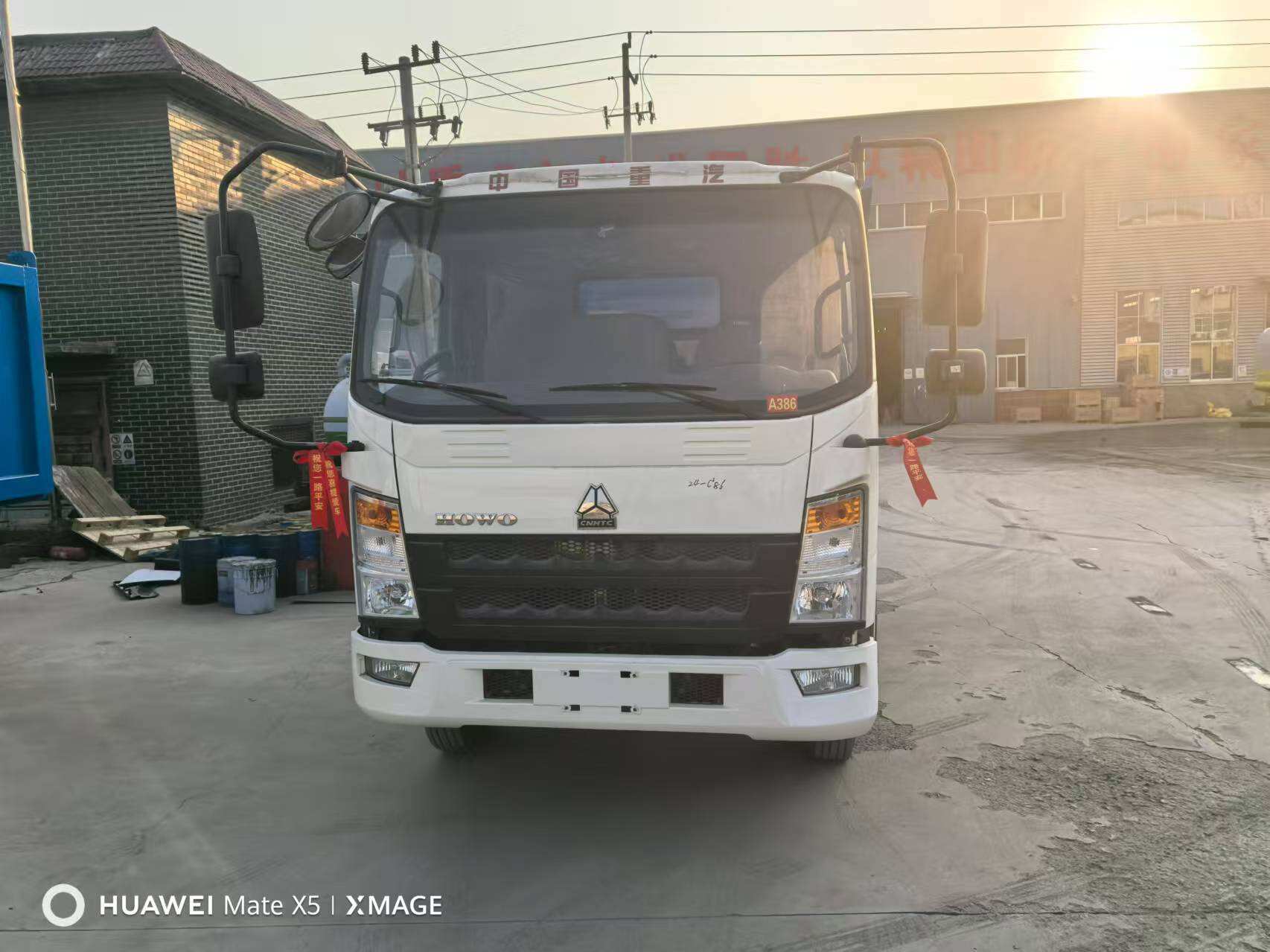
In the dynamic landscape of logistics and transportation, businesses are constantly seeking solutions that balance cost-effectiveness, flexibility, and operational efficiency. For fleets of all sizes—whether small local enterprises or large international companies with global distribution networks—the mini truck has emerged as a game-changing asset that addresses the evolving demands of modern commerce. Shandong Lujun Naxin International Trade Co., LTD, a leading industrial and trade enterprise with ISO9001-2015 and CCC certifications, and over 15 years of expertise in manufacturing and supplying commercial vehicles, offers a diverse range of high-quality mini trucks tailored to meet the unique needs of businesses across the Middle East, Africa, East and Southeast Asia, and beyond. Adding a mini truck to your fleet is not just a purchase; it is a strategic investment that unlocks a multitude of business benefits, from reducing operational costs to enhancing delivery agility and expanding market reach.
At the core of the mini truck’s appeal is its unmatched cost efficiency, a critical advantage for businesses aiming to optimize their bottom line. Unlike heavy-duty trucks that come with high acquisition costs, fuel expenses, and maintenance fees, mini trucks feature a budget-friendly price point that makes them accessible to small and medium-sized enterprises (SMEs) and a cost-effective addition to larger fleets. Shandong Lujun Naxin’s mini trucks are engineered for fuel efficiency, with compact engines that consume significantly less fuel than their larger counterparts, translating to substantial savings on daily operational costs. Additionally, the low maintenance requirements of mini trucks—backed by Lujun Naxin’s lifelong spare parts supply and fast 3-7 day parts delivery service—minimize downtime and repair expenses. For businesses operating on tight margins, these cost savings directly contribute to higher profitability, allowing resources to be allocated to other core business areas such as marketing, expansion, or staff development.
Beyond cost efficiency, the agility and maneuverability of mini trucks redefine the possibilities of last-mile delivery and urban logistics. In densely populated cities and narrow urban streets, heavy-duty trucks often face challenges with navigation, parking, and access to restricted areas. Mini trucks, with their compact body design and small turning radius, effortlessly navigate these obstacles, enabling direct delivery to doorsteps, residential communities, and small retail stores that are unreachable by larger vehicles. This agility eliminates the need for intermediate cargo transfers, reducing delivery time and the risk of product damage during handling. For businesses in the e-commerce, grocery, and parcel delivery sectors, the ability to complete fast, efficient last-mile deliveries is a key competitive advantage that enhances customer satisfaction and loyalty. Lujun Naxin’s mini trucks can be further customized to suit specific delivery needs—whether with closed cargo boxes for protecting fragile goods, open flatbeds for bulky items, or refrigerated units for perishables—making them a versatile solution for diverse logistics scenarios.
The versatility of mini trucks extends far beyond urban last-mile delivery, making them a multi-purpose asset for a wide range of business applications. For agricultural businesses in rural areas, mini trucks are ideal for transporting small batches of crops, fertilizers, and farming equipment across uneven terrain that larger trucks cannot traverse. For construction and small-scale contracting companies, they serve as efficient vehicles for moving building materials, tools, and small equipment to job sites, eliminating the need for expensive heavy-duty transport for light loads. Even for retail and service businesses, mini trucks can be repurposed as mobile sales units, catering trucks, or maintenance vehicles, opening up new revenue streams and business opportunities. Shandong Lujun Naxin’s ability to provide tailor-made customization solutions—backed by a team of 280 professional technical staff and a 38,000 sqm production workshop—ensures that every mini truck is designed to align with the unique operational requirements of each business, maximizing its utility and value.
Another often-overlooked benefit of mini trucks is their low barrier to operation, which expands the pool of available drivers and reduces staffing costs. Unlike heavy-duty trucks that require specialized commercial driver’s licenses, most mini trucks can be operated with a standard C1/C2 license, a requirement that is widely accessible to most drivers. This eliminates the need for expensive driver training programs and allows businesses to hire and train staff quickly, ensuring seamless fleet operations even during peak demand periods. For businesses operating in regions with a shortage of certified heavy-duty truck drivers, this advantage is particularly significant, as it minimizes staffing bottlenecks and keeps delivery schedules on track. Additionally, the compact size and easy handling of mini trucks make them a safer option for new or less experienced drivers, reducing the risk of accidents and associated liability costs.
In an era where sustainability is no longer a choice but a business imperative, mini trucks also offer environmental benefits that align with global green initiatives and local environmental regulations. Shandong Lujun Naxin’s mini trucks are designed with energy efficiency in mind, producing lower carbon emissions and less noise pollution than heavy-duty diesel trucks. For businesses looking to reduce their carbon footprint and enhance their corporate social responsibility (CSR) profile, adding mini trucks to the fleet is a tangible step toward sustainable operations. In many cities, mini trucks—especially electric models—also benefit from favorable environmental policies, such as exemptions from congestion charges, unrestricted access to low-emission zones, and tax incentives. These policy benefits further reduce operational costs and position businesses as environmentally conscious leaders in their industry.
For businesses with global operations or those looking to expand into emerging markets such as Africa, the Middle East, and Southeast Asia, mini trucks are an ideal fit for local infrastructure and market demands. Many of these regions have underdeveloped road networks, with narrow roads, unpaved paths, and limited loading/unloading facilities that make heavy-duty trucks impractical. Mini trucks, with their robust build and adaptability to rough terrain, are perfectly suited to these conditions, ensuring reliable transportation even in remote areas. Shandong Lujun Naxin, with its extensive experience in exporting commercial vehicles to these markets and a track record of over 10,000 global happy clients, understands the unique logistical challenges of each region and designs its mini trucks to withstand local operating conditions. From high-temperature resistance in the Middle East to rugged durability in African rural areas, Lujun Naxin’s mini trucks are built to perform, ensuring that businesses can operate seamlessly and expand their market reach with confidence.
Finally, adding mini trucks to your fleet enhances fleet scalability and flexibility, allowing businesses to adapt quickly to changing market demands. In a volatile business environment where demand can fluctuate rapidly—such as during holiday seasons, promotional events, or unexpected supply chain disruptions—having a fleet that can scale up or down as needed is crucial. Mini trucks offer the flexibility to handle small, short-notice orders without the need to deploy large, underutilized heavy-duty trucks, optimizing fleet utilization and reducing idle time. For growing businesses, mini trucks can be added to the fleet incrementally, allowing for organic expansion without the significant upfront investment required for heavy-duty vehicles. Shandong Lujun Naxin’s fast delivery capability—up to 30 units in 15 days—ensures that businesses can quickly acquire additional mini trucks to meet surging demand, minimizing lost opportunities and ensuring business continuity.
In conclusion, the mini truck is far more than just a small vehicle; it is a strategic business tool that delivers tangible benefits across cost, efficiency, versatility, and sustainability. For businesses looking to stay competitive in the fast-paced world of modern logistics, adding a high-quality mini truck from Shandong Lujun Naxin to their fleet is a decision that drives long-term success. Backed by Lujun Naxin’s 15+ years of industry expertise, ISO-certified quality, customizable solutions, and global after-sales support, mini trucks empower businesses to navigate the challenges of urban and rural logistics, reduce operational costs, enhance customer satisfaction, and expand their market reach—all while building a more agile, efficient, and sustainable fleet. In a business landscape where agility and cost-effectiveness are key, the mini truck is not just an addition to your fleet; it is the key to unlocking your business’s full potential.